
Trauma-Informed Breathwork Practices for Safe Healing
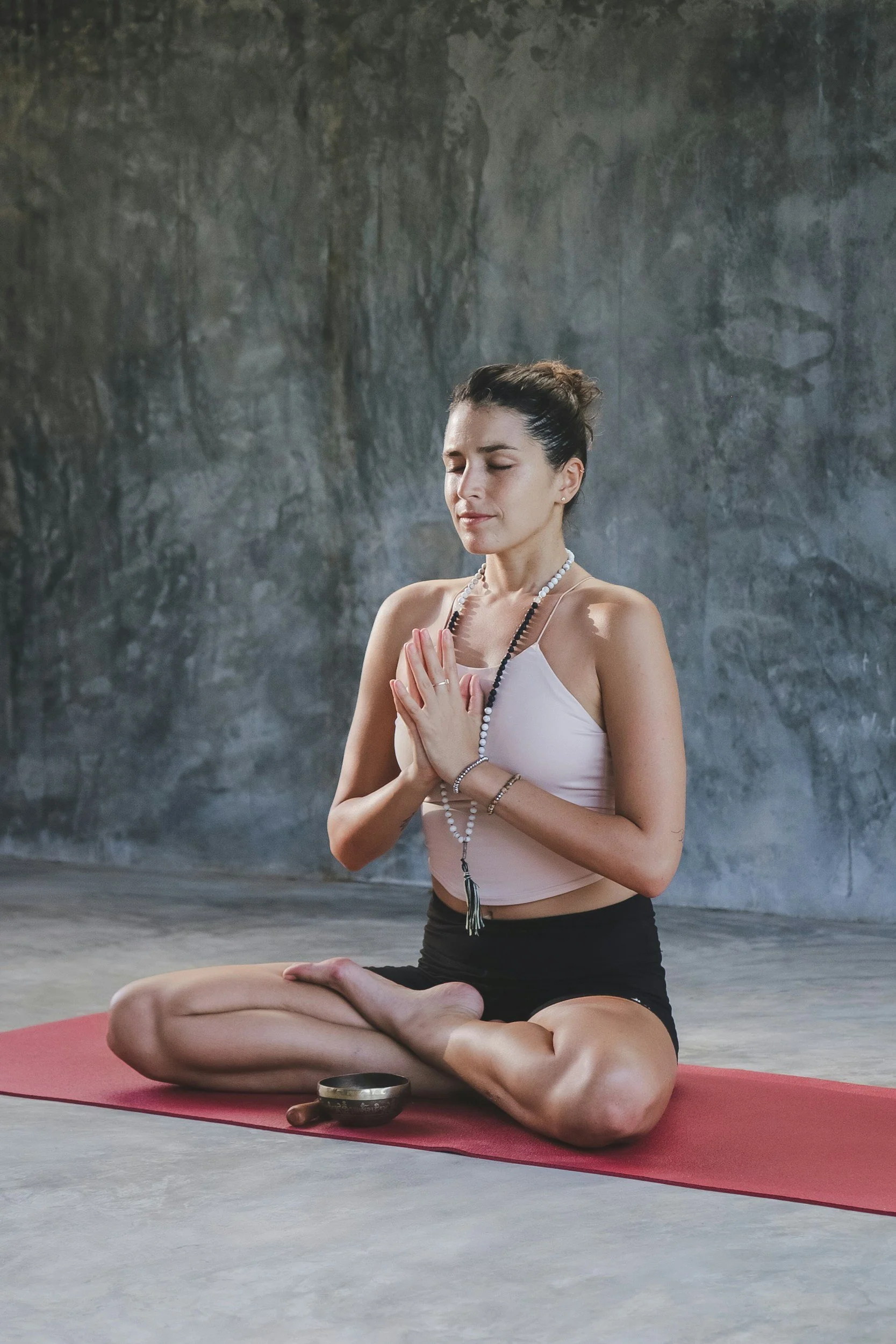
Trauma does not always show up as a clear memory or a dramatic reaction. Often, it lives in the breath long before it becomes a thought. The inhale feels shallow. The exhale feels cautious. The body stays slightly braced, even in moments that should feel calm.
Breathwork, when approached carefully, can help rebuild a sense of safety from the inside out. Not by pushing for emotional release or forcing deep breathing, but by working with the nervous system at a pace it can tolerate. This is what trauma-informed breathwork is designed to do: support regulation first, choice always, and sensation without overwhelm.
This guide explores how breathing practices can be used in a way that respects the body’s protective responses, explains what makes a practice trauma-informed, and outlines approaches that prioritize stability, safety, and long-term healing rather than intensity.
What is trauma informed breathwork?
Trauma-informed breathwork is breathwork done with one promise: your nervous system stays in charge.
In trauma-informed practice, care is guided by principles like safety, trust, choice, collaboration, empowerment, and cultural consideration. Those words are not decoration. In breathwork, they become very practical.
Here is what that looks like in a real session or a home practice:
You can keep your eyes open the whole time.
You can sit up instead of lying down.
You can stop mid-breath, change the rhythm, or take a break without apologizing.
The goal is steadiness, not catharsis.
This is a different mindset than some mainstream breathwork spaces, where “going deeper” is treated like progress. With trauma, deeper is not always better. Safer is better.
How trauma affects breathing and the nervous system
Trauma is not only something you remember. It is something the body continues to brace for.
The National Institute of Mental Health explains that people with PTSD may feel stressed or frightened even when they are no longer in danger. That “still not safe” signal often shows up in breathing.
Common trauma breathing patterns can include:
shallow breathing high in the chest
breath-holding without noticing
fast breathing that makes you lightheaded
tight jaw, tight throat, tight ribs
a sense of “I cannot get enough air,” even though oxygen is available
When breathing speeds up due to anxiety or stress, symptoms can look and feel scary. The Cleveland Clinic lists hyperventilation syndrome symptoms like dizziness, tingling, chest discomfort, and difficulty focusing.
If you have ever felt those sensations during a trigger, there is nothing “wrong” with you. Your body is doing its best to protect you. It just does not realize the threat is over.
One of the quiet gifts of gentle breathing practices is that they can give the body a new signal: we are here, we are safe enough, we can soften a little.
A 2023 systematic review found that voluntary regulated breathing practices are associated with reductions in stress and anxiety across clinical studies. That does not make breathwork a replacement for therapy. It makes it a simple tool you can reach for when you need a handrail.
Is breathwork safe for trauma and PTSD?
Often, yes, when it is gentle and trauma-informed.
But breathwork is a huge umbrella. Some practices are soft and stabilizing. Others are intense and can create strong physical sensations or emotional flooding. Trauma work needs the first category, especially at the start.
A good rule is this: the safest practice is the one that keeps you oriented to the present.
Signs you are in a safe range
your breath feels a little slower
your shoulders drop on their own
you feel more here, not less
you can stop easily and return to normal breathing
Signs you should scale down immediately
dizziness, tingling, numbness
panic rising quickly
nausea, headache, chest tightness
dissociation, shutting down, feeling unreal
emotional flooding that does not feel containable
If that happens, do not push through. Return to normal breathing, open your eyes, look around, feel your feet, and choose the grounding over technique.
The U.S. Department of Veterans Affairs describes paced breathing as easy to learn and “remarkably effective” for managing stress and insomnia. Notice what that implies. Not intense. Not extreme. Something your system can actually use.
Gentle breathing exercises for trauma healing
These are simple on purpose. Trauma-informed breathwork is not about “doing it right.” It is about staying with yourself kindly.
Before any exercise, take 15 seconds to orient:
Look around the room.
Name three things you can see.
Feel your feet on the floor.
Let your eyes land on something neutral and steady.
Now choose one practice.
1) The longer exhale
This is the one I would pick first for most people, because it is quiet and relaxing.
Inhale gently through the nose; do not force depth.
Exhale slowly, a little longer than the inhale.
Pause for a moment at the bottom, then breathe in again.
Repeat for 1 to 3 minutes.
If you want a structure, try inhale for 4, exhale for 6. If counting makes you tense, drop the counting.
2) Diaphragmatic breathing, but softer than you think
This is often called belly breathing, but you do not need to make the belly rise dramatically.
The VA Whole Health Library describes a diaphragmatic approach where you inhale normally, then focus on fully exhaling, pausing, and letting effort drop away.
Try it like this:
One hand on chest, one hand on belly.
Breathe in normally.
Exhale fully, gently.
Pause and wait until the body wants to inhale again.
Keep going for 2 minutes.
If belly breathing feels vulnerable, keep it subtle. Tiny movement is still regulated.
3) Paced breathing for steadiness
If your system likes clear steps, this one helps.
The VA paced breathing guide is built for everyday use, especially for stress and insomnia.
Inhale through the nose for 4
Exhale for 6
Repeat for 3 to 5 minutes
You are not trying to feel bliss. You are building steadiness.
4) Humming on the exhale
This is surprisingly grounding because it adds vibration, which gives the body a sensory anchor.
Inhale gently through the nose
Exhale with a soft hum, like a quiet “mmm”
Feel the vibration in your lips and chest
Continue for 60 to 90 seconds
If your mind says this is silly, that is fine. Keep it anyway. Sometimes the body relaxes when the mind stops trying to be impressive.
5) A trauma-friendly “stop” button for triggers
If you are activated, do this instead of deep breathing:
Open your eyes and look left, then right.
Press your feet into the floor.
Take three normal breaths, no technique.
Then return to the longer exhale for 6 to 10 cycles.
This is not a lesser practice. This is the practice.
Breathwork techniques to approach with caution
Some styles of breathwork can feel powerful, but power is not always what trauma needs.
Be cautious with:
fast, deep breathing for extended periods
long breath holds, especially if they spike panic
anything that produces strong tingling, cramping, dizziness, or altered states
practices that encourage intense emotional release as the goal
Holotropic breathing technique
Holotropic breathwork is often described as intense, and it is not recommended for some people. Healthline notes it may not be safe for those with certain conditions and lists examples like cardiovascular disease, high blood pressure, glaucoma, seizure disorders, and pregnancy or breastfeeding.
If you are trauma sensitive, prone to panic, or tend to dissociate, it is usually wiser to start with gentle regulation practices and only explore stronger techniques with skilled, trauma-aware guidance.
When to practice with a trained facilitator
You do not need a facilitator for every breath practice. But some situations benefit from support.
Consider working with a trained trauma informed guide if:
you dissociate when you focus inward
breathwork quickly triggers panic or flashbacks
you feel pressure to “go deep,” and that feels unsafe
you have PTSD symptoms that interfere with daily life
you want to explore intense breathwork styles, but you are unsure about contraindications
A good facilitator will not chase a big release. They will watch for signs of overwhelm, offer options, keep you oriented, and treat your boundaries as intelligence.
If you want a place to start exploring guided sessions, Anahata Holistic Healing shares breathwork offerings and resources that can help you understand what a held, supportive container can feel like.
Integrating breathwork into ongoing healing
This is where breathwork becomes real. Not as an event. As a relationship.
A lot of nervous systems do not trust sudden change. They trust repetition. Small, consistent signals that say: nothing bad happens when I soften.
Here is a rhythm that works for many people because it is gentle enough to keep:
A simple weekly rhythm
Three days a week, 4 minutes
Paced breathing, inhale 4, exhale 6.
One day a week, 8 minutes
Diaphragmatic breathing, then journaling one line:
“What helped me feel safer this week?”
Any day you are triggered, 60 seconds
Eyes open, orient to the room, longer exhale.
How to tell if it is helping
Not fireworks.
Look for the quieter signs:
you come down from stress a little faster
your breath returns to you sooner
you sleep with slightly less tension
you notice your body earlier, before it escalates
That is healing, too.
Conclusion and next step
Breathwork for trauma is not about pushing through. It is about learning the art of safe returning.
Some days your breath will feel open. Some days it will feel guarded. Trauma-informed breathwork makes space for both. It does not shame you for protection. It simply offers a softer option, again and again, until the body starts to believe you.
If you want guided support and a trauma-aware approach, explore Anahata’s breathwork resources and sessions and choose what feels steady, not what sounds impressive.
FAQ
What is trauma informed breathwork?
Trauma-informed breathwork is a way of practicing breathwork that prioritizes safety, trust, choice, collaboration, empowerment, and cultural consideration. It is designed to avoid overwhelm, move at a safe pace, and support nervous system regulation rather than pushing for intense emotional release.
Can breathing exercises help with PTSD symptoms?
Breathing exercises can support stress regulation and sleep, which are common struggle areas in PTSD. The National Institute of Mental Health notes that PTSD can keep the body feeling stressed or frightened even when danger has passed. Paced breathing is also described by the VA as a practical tool for managing stress and insomnia.
What are the safest breathing exercises for trauma healing?
For many people, the safest starting points are gentle-paced breathing, longer exhales, and soft diaphragmatic breathing that does not force depth. The VA diaphragmatic guidance emphasizes exhaling fully, pausing, and letting effort drop away, which can feel safer for trauma-sensitive systems.
Is holotropic breathwork safe for trauma survivors?
Holotropic breathwork can be intense and is not recommended for some people. Healthline notes it may not be safe for those with certain conditions, including cardiovascular disease, high blood pressure, glaucoma, seizure disorders, and pregnancy or breastfeeding. If you are trauma sensitive, it is usually best explored only with qualified support.
What should I do if breathwork makes me feel worse?
Stop the technique and return to grounding. Open your eyes, look around the room, feel your feet, and breathe normally. Hyperventilation-related symptoms can include dizziness, tingling, chest discomfort, and difficulty focusing, which can feel alarming. In that moment, less technique and more orientation is often the safest path.