
Find a Reputable Shaman in Peru: Ethical Guide
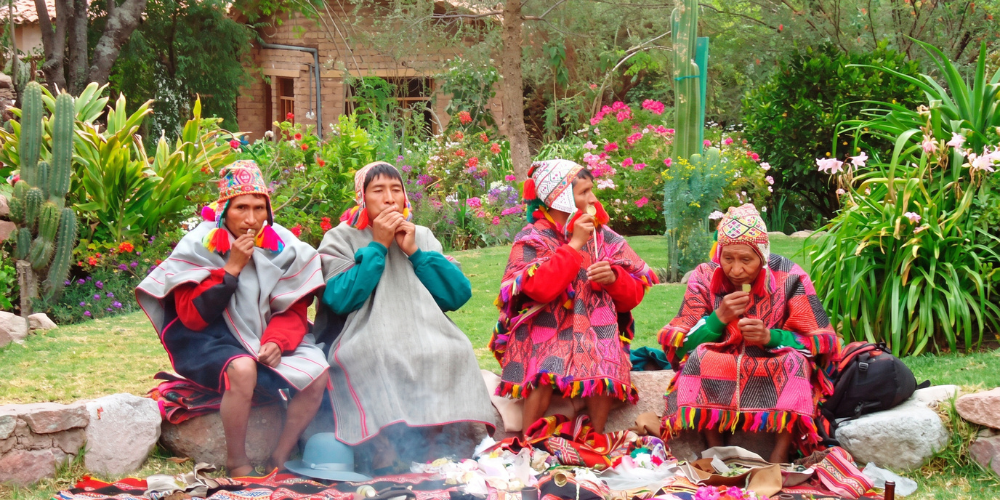
Peru has a way of pulling people inward. One moment, you are planning flights and reading reviews. Next, you realize you are about to place your nervous system, your psyche, and your trust into someone else’s hands.
That is why “how to find a shaman in Peru” is not a casual question. It is a safety question. It is also an ethics question. And, if you are honest, it is a discernment question: are you choosing real guidance or chasing an experience?
Below is a grounded way to evaluate a Peru shaman (or a retreat center working with Peruvian shamans) so you can make a clear decision without romanticizing the risks.
First, understand what “shaman in Peru” can mean
Not every “shaman” label in Peru points to the same tradition.
Amazon lineages often involve vegetalismo and Shipibo healing traditions, where safety, dieting protocols, and careful facilitation matter deeply. Many centers use the word “shaman” as a catchall for these healers.
Andean lineages may work with Paqos and mountain-based cosmology, despacho offerings, and earth-honoring rites.
Some offerings are modern blends. That is not automatically bad, but it makes vetting even more important.
What you want is not a perfect label. What you want is integrity, training, consent, and accountability.
How to find a shaman in Peru without gambling with your safety
The safest path is almost never “find someone when you arrive.”
1) Start with referrals that have accountability
A reputable route is:
A trusted person who has worked with the same practitioner more than once, and can speak to both the “during” and the “after”
A center that has been operating consistently, with published safety policies and screening requirements
A program with a clear support team, not a single personality brand
This matters because serious harm has happened to travelers who entered ceremonies without trustworthy oversight. Even the U.S. State Department warns against ayahuasca and kambo use due to reported illness, deaths, and assaults while under the influence.
2) Look for medical and psychological screening, in writing
This is the easiest credibility test.
A responsible retreat will require full medical disclosure and warn that many medications are contraindicated.
It will also explicitly address psychological risk factors (for example, a history of certain mental health disorders) and explain why screening exists.
If the answer is vague, or if they act like screening is “low vibe,” walk away.
3) Ask who holds the container besides the shaman
Even the most skilled Peruvian shaman is not a complete safety system on their own.
Ask:
Who supports participants during ceremonies
What the participant-to-facilitator ratio looks like
What the emergency escalation plan is
Whether integration support exists after the retreat
High-quality centers describe “container” as a full structure: healers, facilitators, medical awareness, and integration support.
4) Choose ethics over intensity
Intensity is easy to sell. Integrity is harder.
A practical ethical lens:
Consent is explicit (touch, interventions, private sessions, everything)
Boundaries are clear (no sexual relationships, no coercion, no manipulation)
Money is transparent (clear pricing, clear inclusions, no “surprise” upgrades)
Cultural respect is present (not using the indigenous language as marketing glitter)
ICEERS has published minimum safety and ethics standards that help participants assess responsibility and risk. It is one of the more grounded references you can use as a checklist.
Green flags and red flags when evaluating shamans in Peru
Green flags
Medical and psychological screening is mandatory
Clear contraindication guidance, especially around antidepressants and other psychotropic drugs
A safety policy that mentions integration, not just ceremony
Clear participant limits and staff presence during ceremonies (not overcrowded, not chaotic)
Realistic language, no “I can fix you in one night” energy
Red flags
They approach you on the street, in markets, or through aggressive DMs
They discourage medical disclosure or frame it as unnecessary
They promise miracles, soulmate-level guarantees, or instant cures
There is secrecy around who is leading, where you will be, and what happens if something goes wrong
The only “proof” is testimonials, with no policies, no screening, no structure
“Best shaman in Peru” is usually the wrong search
People type “best shaman in Peru” because they want certainty. But “best” is not a universal category.
A better question is: Who is safest and most aligned for my body, history, and intention?
Safety includes physiology. Ayahuasca contains MAO-inhibiting compounds, and research literature notes potentially serious adverse interactions with certain psychiatric medications and risks for some health conditions.
So the right guide is not simply the most famous. It is the one whose structure protects you.
Practical questions to ask before you book
Use these as a script.
What screening do you require, and who reviews it?
What conditions or medications exclude someone from participating?
How many facilitators are present at the ceremony, and what is their role?
What is your policy on consent, boundaries, and inappropriate behavior? (If they hesitate, that is information.)
What does integration support look like after participants return home?
A safer alternative if you want Peru, but not plant medicine tourism
Some seekers want Peru’s sacred land, ceremonial depth, and real initiation, without putting themselves in high-risk situations or entering spaces that feel murky.
If that is you, a curated retreat in Peru with clear logistics, clear inclusions, and a strong support structure can be a better first step.
Anahata’s retreat in Peru (Gold Mind Retreat) is positioned as not a plant medicine retreat, with no alcohol or drugs, and includes dates (Aug 5 to Aug 12, 2026), early bird pricing ($4,888 USD), and a non-refundable deposit ($888) upon acceptance. It also outlines inclusions like hotel, food, ceremonies, transportation, and site entry tickets, plus English-speaking spiritual guides and travel advisors.
That kind of transparency is what you should look for everywhere, even if you choose a different path.
FAQ
How do I know if a shaman in Peru is reputable?
A reputable shaman or center will welcome questions, require medical disclosure, and have written screening and safety protocols. Look for clear boundaries, a support team, and integration guidance, not just big promises. Government travel guidance also warns of serious risks when travelers use ayahuasca or kambo.
Are shamans in Peru regulated?
There is no single global licensing system that guarantees safety. Peru recognizes the cultural importance of traditional practices in some contexts, but that does not mean every commercial offering is vetted or safe. Your protection comes from screening, transparent protocols, and accountability structures, not a title.
What are the biggest red flags when choosing a Peru shaman?
Street solicitation, vague answers about safety, pressure tactics, and secrecy around who is leading are major red flags. Another warning sign is dismissing medication risks, since credible guidelines highlight contraindications and the need for physician consultation when relevant.
Can I safely combine a retreat with antidepressants or other medications?
Not always. Some guidelines warn that antidepressants and other psychotropic drugs may be contraindicated, and scientific literature discusses potentially severe interactions involving ayahuasca’s MAO-inhibiting compounds. If you are on medications, consult a qualified clinician and only consider retreats that screen properly.
What if I want a spiritual retreat in Peru without ayahuasca?
Look for retreats that focus on yoga, breathwork, meditation, ceremony, and Andean or jungle traditions without plant medicine as the centerpiece. Anahata’s Gold Mind Retreat explicitly states it is not a plant medicine retreat and provides transparent dates, pricing, and inclusions, which is the kind of clarity you want when booking any retreat.
Wrap up
If you take one thing from this guide, let it be this: the right shaman in Peru will never need you to suspend common sense. Safety protocols, screening, consent, and integration are not “modern add-ons.” They are what protect sacred work from harm.
If you want a supported, clearly structured retreat in Peru, explore the Gold Mind Retreat and book a clarity conversation to choose the path that matches your nervous system, your intention, and your season of life.