
Kundalini Yoga Guide for Beginners & Retreats
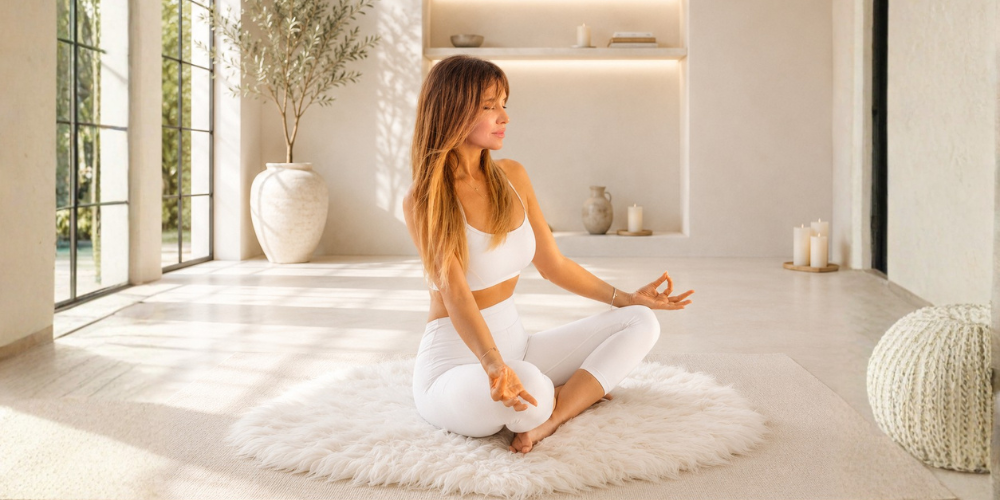
The first minute of a Kundalini class is often the moment people remember.
You sit down. You tune in. A mantra is chanted, not for performance, but like a key turning in a lock. “Ong Namo Guru Dev Namo.” The room shifts. Your shoulders drop. Something inside you stops negotiating and simply arrives.
That is the strange gift of kundalini yoga. It gets honest quickly.
If you have been curious but cautious, good. This practice can be powerful. It can also be grounding, steady, and surprisingly beginner-friendly when it’s taught responsibly. This guide breaks it down in a way that feels human: what it is, what to expect, the core kundalini practices, how to practice safely, and how to choose classes, online training, or retreats that actually support you.
What Is Kundalini Yoga?
Kundalini yoga is often described as an “energy yoga,” but the structure is very practical. A typical class blends:
breathwork (pranayama)
sets of movements (often called kriyas)
mantra and sound
meditation and stillness
hand positions (mudras)
Yoga Journal explains kundalini as relating to “coiled” energy at the base of the spine, with practice aimed at awakening and directing inner energy.
One important nuance: in the West, “Kundalini Yoga” often refers to a specific modern stream popularized through Yogi Bhajan and related institutions. Yoga Journal notes that he is credited with bringing the practice to Western culture and also notes later allegations that surfaced after his death.
You don’t need to make this heavy. Just let it make you smarter about choosing teachers and containers.
Kundalini Yoga for Beginners: What to Expect
If you’re new, here’s the honest truth: parts of it can feel awkward at first.
Chanting can feel vulnerable. Breathwork can feel intense. Some movements are simple but repetitive in a way that tests your mind more than your muscles. Yoga Journal even says the chanting and breathwork might feel “weird” initially, and that consistency matters.
A beginner-friendly class should feel like:
clear instructions, no pressure to “push through”
options for breath and posture
time to rest
a teacher who welcomes questions
And it should never feel like:
emotional forcing
“prove you’re devoted”
shame about modifying a pose
breathwork pushed past your comfort
Adhiroha’s beginner guide makes the same point in a grounded way: kundalini yoga for beginners can be safe when approached correctly, with guidance and realistic expectations.
Core Kundalini Yoga Practices
There are many kriyas and styles, but most classes lean on a few building blocks.
Kriya sets
A kriya is a complete set: posture, breath, sometimes mantra, done in a deliberate sequence. 3HO describes kriya as a specific combination of asana, mudra, mantra, and breath patterns designed to create a particular effect in consciousness and energy flow.
Breathwork
You’ll see gentle breathing (often “long deep breathing”) and sometimes more activating breathwork, depending on the class. Yoga Journal highlights long, deep breathing as common, along with other breath techniques used within kriyas and meditations.
Mantra and sound
Mantra is part of how kundalini works with attention and emotion. Some people feel silly at first. Then they feel quiet. Then they feel something unlock.
Meditation
Kundalini meditation techniques range from stillness to mantra-based meditation to breath-focused practice.
Benefits of Kundalini Yoga
Some benefits are immediate and simple: better mood after class, clearer head, and less tension in the body.
Research on yoga overall suggests it can be helpful for stress and anxiety symptoms in many populations, though evidence varies by condition and study quality.
For kundalini specifically, there’s a notable randomized clinical trial in JAMA Psychiatry: in adults with generalized anxiety disorder, kundalini yoga and CBT both performed better than stress education, although kundalini was not found to be as effective as CBT.
That’s a responsible way to frame it: helpful for some people, not a replacement for first-line care when clinical support is needed.
People also commonly report:
improved emotional regulation
better sleep rhythm
a steadier relationship to stress
stronger self-discipline
How to Practice Kundalini Yoga Safely
“Safe” is less about fear and more about pacing.
Start smaller than you think
A 20–30-minute beginner class done consistently will take you further than a 90-minute intensity session that blows your system open and leaves you raw.
Respect breathwork
If a breathing technique makes you dizzy, panicky, or ungrounded, slow down. Modify. Breathe normally. A good teacher will prefer your stability over your intensity.
Be cautious if you have certain health conditions
If you have uncontrolled high blood pressure, heart concerns, a history of panic attacks, seizures, or are pregnant, consult a clinician and choose gentle classes first. This is common sense, not drama.
Choose trauma-informed teaching
If you have trauma history, look for teachers who:
offer consent-based language
normalize rest
don’t chase catharsis
care about integration
Kundalini Meditation Techniques for Awakening Energy
Most “awakening” is not fireworks. It’s steadiness.
A few accessible techniques you’ll often encounter:
mantra meditation (repeating a sound to steady attention)
breath counted meditation (slow rhythm, nervous system settling)
mudra plus breath (hands and breath working as anchors)
If you’re learning on your own, start with shorter meditations and build slowly. This is where people overdo it.
Kundalini Yoga Classes, Online Training & Retreats
In-person classes
If you thrive in community, in-person classes can be the most supportive way to learn kundalini yoga. You feel the group field. You stay accountable.
Online classes and private sessions
Online is not “less real.” For many people, it’s safer. You’re in your own home, you can pause, and you can integrate immediately.
Anahata Holistic Healing offers online kundalini yoga instruction and describes private sessions as beginning with a 30-minute intake, followed by 90-minute practice sessions that can include pranayama, postures, mantra, meditation, and sound healing when appropriate.
They also note public group classes alongside private work.
If you want to explore that path, check here.
Retreats
A retreat is where practice gets depth because you’re away from your normal stimuli.
Anahata’s Gold Mind Retreat in Peru explicitly includes Kundalini Yoga sessions alongside ceremony, sound healing, and breathwork within an 8-day journey through Cusco, the Sacred Valley, and Machu Picchu.
If you want the retreat container, link it as your “Retreat page.”
Is Kundalini Yoga Right for You?
It tends to be a strong fit if you want:
spiritual practice with structure
breath and meditation that actually change your state
a path that builds discipline and inner clarity
It may not be the best starting point if you:
want purely physical yoga without mantra or meditation
feel easily overwhelmed by intense breathwork
are in acute mental health crisis and need clinical stabilization first
You can still come to kundalini later. Nothing is lost by pacing your path.
FAQ
What is kundalini yoga?
Kundalini yoga is a practice that blends breathwork, kriyas, mantra, and meditation to awaken and direct inner energy and awareness.
Is kundalini yoga safe for beginners?
For many people, yes, when taught responsibly. Beginners do best with gradual pacing, clear guidance, and realistic expectations rather than intensity chasing.
How often should you practice kundalini yoga?
Consistency matters more than duration. Many practitioners aim for a few times per week, and some prefer shorter daily practice. Start with what your nervous system can integrate, then build.
What is a kundalini awakening?
In traditional language, kundalini is described as “coiled” energy at the base of the spine, with awakening referring to that energy being activated and rising through the system. Experiences vary widely and should be approached with grounding and support.
Can kundalini yoga help reduce stress?
Yoga research suggests yoga can help with stress and anxiety symptoms in many populations. A clinical trial found kundalini yoga improved anxiety symptoms compared with stress education, though CBT remained more effective for generalized anxiety disorder.
Conclusion and next step
If you’re drawn to kundalini, you don’t need to “prepare” by becoming someone else first.
Start where you are.
Start with one class. Let the breath teach you what your mind can’t. Let the mantra be awkward for a week, then notice what happens in week two. Pay attention to how you sleep, how you speak, and how you recover after stress.
If you want guided support, begin with a teacher and a container that values steadiness over spectacle. If you want that Anahata path, start here.