
Spiritual Retreats for Women: Guide to Healing and Self Connection
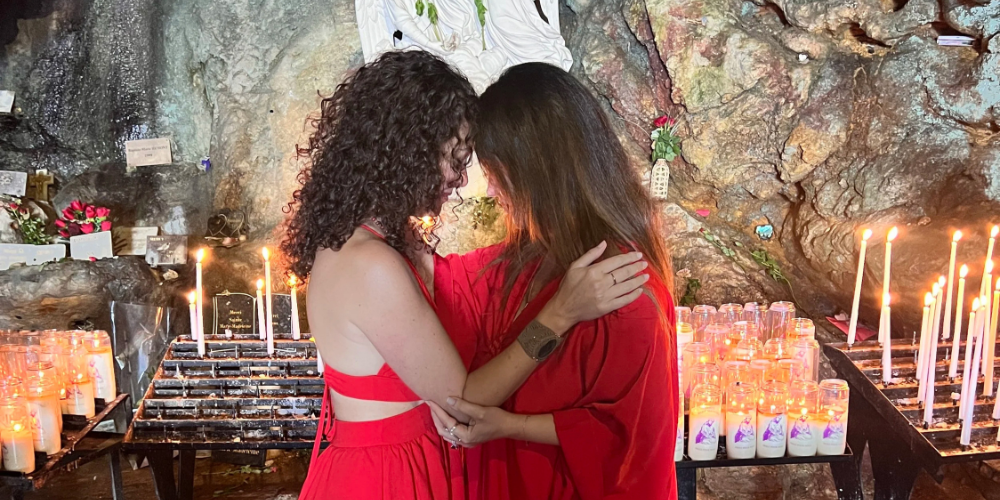
The desire for a spiritual retreat usually comes from a need for real space, not just time off. A space to step away from constant demands, quiet the nervous system, and reconnect with yourself without having to hold everything together.
Women-only retreats often create a different kind of safety and understanding, making it easier to rest, reflect, and soften in ways that daily life rarely allows.
This guide explains what these retreats actually offer, why the women-only setting can feel so supportive, and how to choose one that truly meets you where you are.
What Are Spiritual Retreats for Women?
A spiritual retreat for women is an intentional experience designed to support healing and renewal, usually through a blend of inner practices and community.
Depending on the retreat, that can include:
meditation and breathwork
journaling and reflective practices
somatic work, free movement, dance
sound healing
nature immersion
ceremony and women’s circle
Some retreats lean more toward “wellness” (rest, nourishment, gentle movement). Some lean more “spiritual” (ritual, devotion, sacred practices). Many of the best ones blend both, because the body and the soul don’t live separate lives.
One example of a modern women’s retreat format is the movement and community style retreat model, where dance and introspection are used as a doorway into healing and self-expression.
Why Women-Only Retreats Create Deeper Healing
Women-only retreats can feel powerful for one simple reason: you get to stop managing.
Not because men are automatically unsafe, but because many women spend years unconsciously tracking everyone else’s comfort. Tone. Needs. Energy. Emotional temperature. It’s exhausting, even when you love the people around you.
In a well-held women’s spiritual retreat, the nervous system often relaxes faster. You don’t have to be the “strong one.” You don’t have to be agreeable. You can just be honest.
Here’s what women often experience in women-only spaces:
less masking (you don’t have to act fine)
more permission (rest without guilt, emotion without apology)
cleaner support (witnessing without fixing)
real sisterhood (not social performance, actual connection)
And if you’ve been feeling lonely or emotionally disconnected lately, you’re not imagining it. Social disconnection is showing up as a real stress factor in large surveys and reporting.
Types of Women’s Spiritual Retreats
Not all retreats for women are built for the same kind of healing. Choosing the right type matters more than choosing the most “famous” one.
1) Weekend women’s retreat
A weekend women’s retreat is usually 2–3 days. It’s a reset, not a total life overhaul. It’s perfect if you’re retreat curious, or if you’re stretched thin and can’t take a full week away.
2) Women’s wellness retreat
These tend to focus on nervous system support: gentle movement, nourishing meals, rest, nature, and simple rhythm. Often less intense emotionally, more restorative physically.
3) Embodiment and movement retreats
This is where dance, somatic work, breath, and expressive practices help you unwind stored stress and reconnect with your body. Retreat models that weave movement, introspection, and community are becoming more common for women’s healing.
4) Meditation and mindfulness retreats
Quiet, structured, and steady. Research on mindfulness retreats has found that participants can experience reductions in perceived stress and anxiety in some study settings.
5) Nature-based spiritual retreats
If you feel like your nervous system is fried, nature can be a direct medicine. Psychological summaries and research reviews link nature exposure with reduced stress and improved well-being.
6) Pilgrimage-style retreats
These are sacred travel experiences where the land, the sites, and the journey itself are part of the transformation. Less “retreat center,” more spiritual immersion.
What Happens During a Typical Retreat
Every retreat has its own rhythm, but most include some variation of:
Opening circle
Intentions, agreements, and the energetic “container” that makes the space feel safe.
Morning practice
Meditation, movement, breathwork, or yoga. Something to clear the static.
Workshops or guided sessions
Teachings, inquiry, journaling, somatic practice, or group sharing.
Nourishment
Food that supports the body, plus time to actually digest life, not just meals.
Integration time
This is the part people underestimate. Quiet time is not a bonus. It’s where the shifts land.
Evening practice
Sound healing, ritual, circle, reflection, or gentle movement.
A healthy retreat schedule has enough space in it that your body can downshift. If it feels like a packed conference, it may not give you the very thing you’re craving.
Choosing the Right Spiritual Retreat for You
I’ll give you the simplest way I know to choose.
Step 1: Name your season
Ask yourself: What is my nervous system asking for?
I need rest
I need emotional release
I need clarity
I need support and sisterhood
I need spiritual reconnection
I’m in a life transition, and I need a real container
Step 2: Ask the practical questions (before you book)
What does a typical day look like?
How much quiet time is built in?
Is everything optional, or are there mandatory sessions?
What is the group size?
Who is holding the space, and what is their experience?
What is included vs add on? (meals, lodging, sessions, excursions)
Step 3: Watch for red flags
Be cautious if a retreat:
promises guaranteed transformation
pressures you with urgency
has vague boundaries or unclear structure
makes “breakdown” sound like the only path to healing
A good retreat feels steady. It doesn’t need to push you.
Weekend vs Extended Women’s Retreats
Here’s a clean comparison you can use.
| Format | Best for | What it tends to give you |
|---|---|---|
| Weekend women’s retreat (2–3 days) | First retreat, busy schedule, quick reset | Relief, clarity, reconnection, a soft re-entry into yourself |
| Extended women’s retreat (5–10+ days) | Burnout, grief, deep transitions | Stronger nervous system settling, deeper integration, bigger shifts |
| Pilgrimage-style retreat | Devotion, sacred remembrance | Transformation through place, ritual, and shared meaning |
If you’re nervous about going, a weekend is a beautiful beginning. If you feel like you’ve been running on fumes, a longer time can be what finally allows your body to unclench.
Benefits of Attending a Women’s Spiritual Retreat
A retreat won’t “fix” your life. But it can give you something many women are missing: the conditions to come back to yourself.
Women commonly describe benefits like:
A calmer nervous system
Stress research consistently highlights women reporting higher stress and needing more support. A retreat can offer a structured pause from the constant load.
Better sleep and real rest
Not just “sleeping in,” but rest that feels like repair.
Emotional release with support
Tears, laughter, anger, relief. In the right container, emotions move without shame.
Clarity and inner direction
When you step away from the noise, you can hear your own voice again.
Connection
Healthy community is medicine. When social disconnection is rising, gathering with intention matters.
Grounding through nature
Nature exposure is linked with reduced stress and improved mood and self-regulation in psychological summaries and research overviews.
Preparing for a Retreat Experience
You don’t need to arrive “perfect.” You just need to arrive honestly.
Before you go
Set one simple intention (one sentence is enough)
If you can, soften your schedule the day before
Tell your people your boundaries: you’re not “available as usual”
What to bring (beyond outfits)
a journal you actually want to write in
layers for comfort
a shawl or wrap (it changes how held you feel)
a small sacred item if you like (optional, but grounding)
The most important preparation
Plan your re-entry.
If you come home and throw yourself into chaos immediately, your nervous system will snap right back into old patterns. Even one gentle day after a retreat can protect what you received.
FAQ
What are spiritual retreats for women, really?
They’re guided experiences designed to help women rest, reconnect, and heal through practices like meditation, movement, circle, sound, and time in nature. The best retreats balance structure with spaciousness, so your nervous system can soften, and your inner voice can come forward.
Are women-only retreats worth it if I’m introverted?
Often, yes. Many retreats include quiet time, solo space, and gentle boundaries. Look for a retreat that builds in integration time and makes sharing optional. Introversion doesn’t mean you don’t want connection, it usually means you want connection without pressure.
How do I choose between a weekend women’s retreat and a longer retreat?
A weekend retreat is ideal for a first experience or a quick reset. Longer retreats are better for burnout, grief, or major transitions because your body needs time to truly downshift. If your system feels chronically tense, longer usually supports deeper integration.
What if I get emotional at a retreat?
That’s normal. When your body finally feels safe, emotions often rise. A well-held retreat won’t force catharsis, but it will make space for whatever comes. You should feel supported, not pushed. Choice and pacing are signs of good facilitation.
Do spiritual retreats replace therapy or medical care?
No. Retreats can be deeply supportive, but they’re not a substitute for professional mental health or medical care. Ethical retreats respect that and encourage you to seek appropriate support when needed, especially if you’re dealing with significant trauma or health concerns.
Closing and next step
If you’ve been circling the idea of a retreat for women, consider this your permission slip to stop postponing your own restoration.
Start with the container that fits your life right now. A weekend women’s retreat if you need a gentle reset. A longer women’s wellness retreat if you’ve been running on empty. A pilgrimage if your heart is asking for sacred remembrance.
If you feel called to a France-based spiritual immersion, we welcome you into Mystic Union France, created as a heart-led journey of devotion, reconnection, and feminine renewal.