
Wellness & Meditation Retreats in Peru
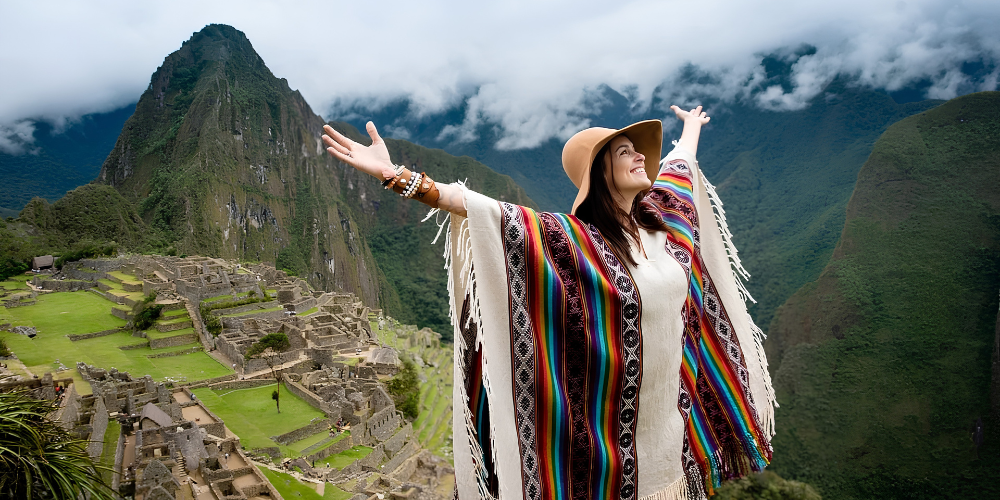
The kind of retreat you choose in Peru shapes the entire experience.
Some retreats take you deep into the Amazon, where the environment is intense and the work is immersive. Others are based in the Sacred Valley, where the pace is slower and the focus leans more toward meditation, reflection, and steady integration.
Both are meaningful in their own way, but they offer very different paths.
This guide walks you through the main types of wellness and meditation retreats in Peru, what they feel like in real life, and what to consider before choosing one.
What is a spiritual retreat in Peru?
A spiritual retreat in Peru experience is any structured travel container built around inner work, usually one of these:
Peru wellness retreat programs: yoga, meditation, food, nature, restoration
Peru meditation retreat formats: silence, breathwork, mindfulness, daily practice
Sacred Valley retreat journeys: Andean culture, ceremony, sacred sites, integration time
Amazon retreat Peru programs: remote jungle settings, often centered on ayahuasca
Machu Picchu spiritual retreat add-ons: pilgrimage energy, sacred site days, guided reflection
Where people go wrong is assuming the most intense option is the most “real.” Sometimes it’s just the most intense.
Sacred Valley spiritual retreats: slower pace, easier integration
The Sacred Valley is where many people finally exhale. It’s not a fantasy. It’s practical. You’re still in Peru, still surrounded by mountains, still close to ancient sites, but the day can be built around regulation rather than endurance.
What these retreats typically include:
morning yoga or gentle movement
meditation blocks, breathwork, journaling
Andean ceremonies or cultural experiences (varies by provider)
nourishing meals, quiet evenings, early nights
optional day trips (Pisac, Ollantaytambo, sometimes Machu Picchu)
Who does this fit best:
First-timers who want a spiritual journey in Peru without jumping straight into the deep end
people recovering from burnout, grief, or constant overstimulation
anyone who wants “healing” to mean steadiness, not chaos
If you’re choosing between “I want transformation” and “I want to feel safe in my body again,” Sacred Valley tends to support both.
Machu Picchu meditation retreats: pilgrimage energy in a short window
Machu Picchu tends to be framed as a spiritual amplifier. People don’t just visit. They project meaning onto it, then something meaningful often happens.
Programs marketed as a Machu Picchu spiritual retreat or “Machu Picchu meditation retreat” usually combine:
Sacred Valley accommodation
guided meditation sessions
a Machu Picchu day (or two) as the anchor moment
A small but important note: Machu Picchu is a powerful day only if you’re not wrecked from travel. If your itinerary is packed too tightly, the mind goes into logistics mode, and the heart never shows up.
Amazon ayahuasca retreats in Peru: depth, remoteness, real risk
Let’s not soften this: the Amazon option can be profound, and it can also be risky if you choose poorly.
Ayahuasca is commonly described as a brew made from plants that include DMT and MAOI-containing components. That MAOI piece is why medication interactions matter so much.
What an Amazon retreat usually looks like:
travel through Iquitos or another jungle gateway
remote center, simple accommodations
ceremonies scheduled across the week or two (varies by provider)
dietary restrictions and preparation rules
integration circles (strong centers offer this consistently)
What people don’t always realize:
“Traditional” does not automatically mean “safe.”
“Five-star reviews” are not the same as emergency planning.
Screening is not bureaucracy. It’s the minimum.
The U.S. Embassy in Peru has a health alert explicitly recommending travelers not use ayahuasca or kambo, noting serious incidents and that facilities are not regulated.
If you’re still considering an Amazon plant medicine retreat, the most responsible thing you can do is treat this like a health decision, not a spiritual dare.
A simple way to compare the Sacred Valley vs the Amazon
| Category | Sacred Valley Spiritual Retreats | Amazon Ayahuasca Retreats |
|---|---|---|
| Pace | Slower, daylight practices | Often ceremony-centered and more intense |
| Accessibility | Easier logistics and closer to towns | Remote locations with more complex travel |
| Best For | Meditation, yoga, integration, and restoration | Deep inner work for well-screened participants |
| Safety Profile | Generally lower risk | Higher risk and requires strict screening |
Are wellness retreats in Peru safe?
Usually, yes, when they’re yoga and meditation-based and run by reputable operators with clear logistics. Still, “safe” is not automatic. Here’s what to check across any Peru retreat, Sacred Valley, or Amazon:
medical and mental health screening (especially for plant medicine programs)
consent and boundaries (clear policies, not vibes)
emergency plan (nearest clinic, transport, decision authority)
integration support (what happens after the retreat day ends)
transparent inclusions (transport, meals, entry tickets, guides)
If a center can’t answer these cleanly, don’t “trust the universe.” Choose a different container.
For ayahuasca in particular, ICEERS publishes a practical good practice guide aimed at minimum safety standards and participant due diligence.
How long do meditation retreats in Peru usually last?
Most wellness and meditation retreats run 3 to 10 days in the Sacred Valley or Cusco region. Many Amazon ayahuasca formats run 7 to 14 days, sometimes longer. One reference point: Temple of the Way of Light describes longer, structured programs and also publishes cost guidance for “safety first” retreats.
A quick rule: if someone promises “deep healing” in 48 hours with no integration plan, be cautious.
FAQ
What is a spiritual retreat in Peru?
A spiritual retreat in Peru is a structured program built around inner work, usually meditation, yoga, ceremony, or nature-based healing. Some focus on Sacred Valley wellness and integration, others on Amazon plant medicine. The best ones are clear about what they offer and how they keep participants safe.
What is the difference between Sacred Valley retreats and Amazon ayahuasca retreats?
Sacred Valley retreats are typically more accessible and practice-led, with yoga, meditation, and cultural immersion. Amazon ayahuasca retreats are usually more intense and remote, with higher safety demands, especially around screening and contraindications.
Are wellness retreats in Peru safe?
Many are, especially yoga and meditation programs. Safety still depends on the operator. For plant medicine retreats, official sources warn that facilities may not be regulated and serious incidents have occurred, which is why screening, boundaries, and emergency planning matter.
How long do meditation retreats in Peru usually last?
Meditation and wellness retreats in Peru often run 3 to 10 days in the Sacred Valley or Cusco region. Amazon programs tend to run longer, commonly 7 to 14 days, with multiple ceremonies and an integration arc.
What should I consider before booking a retreat in Peru?
Start with your intention and your nervous system. Then get practical: screening, staff roles, consent policies, emergency plans, and integration support. For ayahuasca retreats, check contraindications and follow harm reduction guidance rather than relying on testimonials alone.
Closing
The best retreat in Peru is not the one with the most dramatic stories.
It’s the one you can bring home.
Choose the environment that matches your season. Sacred Valley, if you need steadiness and integration. Amazon only if you’re well screened, well supported, and willing to treat it like the serious health decision it is. And if you want Peru’s depth without a psychedelic centerpiece, pick a structured retreat that’s honest about what it offers and how it holds people.