
Crystal Healing Therapy Guide & Benefits
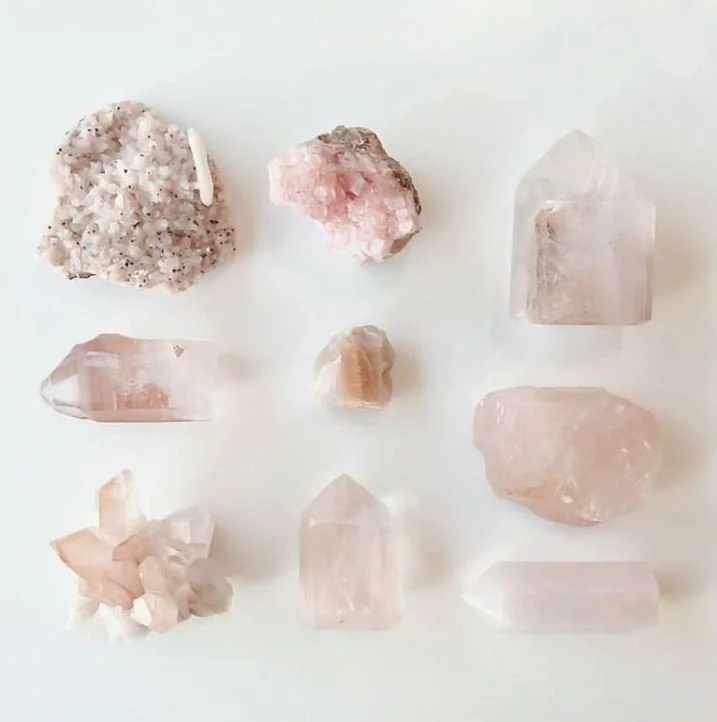
You do not usually find crystals when life is perfect.
You find them when something inside you wants to soften. When you are tired of thinking your way through everything. When your body keeps whispering, slow down, and you are finally ready to listen.
That is the honest doorway into crystal healing. Not a dramatic promise. Not a miracle claim. A quieter kind of medicine: presence, ritual, and the gentle feeling of being held.
This guide walks through how crystal healing works, what skepticism gets right, what a real crystal healing session looks like, and how to choose a grounded crystal therapist if you want support that feels both sacred and practical.
What is crystal healing, and how does it work?
At a surface level, crystal therapy looks simple. A practitioner chooses stones, places them on or around the body, and holds a calm, energetic container.
Underneath, a few things are happening at once.
Some traditions explain this through vibrational resonance and the body’s subtle energy field, often called the biofield. In research, biofield therapies are described as noninvasive approaches where a practitioner works with “fields of energy and information” around living systems, while acknowledging the evidence base is still developing.
A grounded way to understand crystal energy healing is to look at what it reliably creates in the room:
A clear focus point for the mind
A slow, safe pace for the body
A ritual that tells your nervous system, you can rest now
If you have ever noticed your breath deepen the moment a session begins, you have already felt the core mechanism: regulation.
Why intention and ritual matter more than people admit
Even skeptics agree on this part, whether they call it context, expectancy, or suggestion. A healing ritual changes how the body interprets the moment.
And the body is always interpreting.
The science and skepticism behind crystal energy healing
Let’s keep this clean.
Crystal healing is often criticized because studies have not shown crystal-specific effects beyond placebo. Christopher French has been quoted as saying there is no evidence that crystal healing works over and above a placebo.
That sounds like the end of the conversation, but it is not.
Because a placebo is not “fake.” Placebo research argues that what we call placebo effects can be the specific effects of healing rituals themselves, including the meaning, the setting, the authority of the practitioner, and the care in the interaction.
So the honest middle ground looks like this:
If someone promises that crystals will cure disease, that is not credible.
If someone uses crystals as a tool for calming the system, supporting emotional processing, and deepening meditation, that can be very real for many people.
This is where the mind-body connection matters. The body responds to safety, attention, and touch. The stones often become a symbolic anchor for those changes.
Types of crystals and their healing properties
People love lists of stones because it gives language to something they feel but cannot name.
Below are common crystal healing stones and the meanings many practitioners associate with them. Think of these as archetypes, not prescriptions.
A practical crystal guide
Clear Quartz
Often used for clarity and amplification. People choose it when they feel foggy, scattered, or pulled in ten directions.
Amethyst
Often used for calming and spiritual awareness. Many people pair it with sleep hygiene and meditation because it signals “quiet time.”
Rose Quartz
Often used for emotional healing, tenderness, grief support, and heart repair. It is a favorite for people rebuilding trust in themselves.
Black Tourmaline
Often used for grounding and protection. Helpful when you feel overstimulated or energetically porous.
Citrine
Often used for confidence and vitality. People reach for it when they need steadiness, motivation, and personal power.
If you are searching for “best crystals for health,” a more honest translation is usually: what helps me feel stable. Choose one stone that matches your real life, then work with it consistently.
A quick note on history
Crystals and amulets have been part of spiritual life across cultures for a long time. In Ancient Egypt, amulets were believed to transfer power to the wearer, and that power was tied to shape, material, color, and even recitations spoken over them.
Whether you read that as mysticism or psychology, the takeaway is useful: objects become powerful when they carry meaning inside ritual.
Benefits of crystal healing therapy
The benefits people report from crystal healing therapy tend to be consistent and very human:
Stress reduction and a calmer body
Emotional regulation, fewer spirals, more steadiness
Enhanced meditation, less mental noise
Sleep support, especially when used as a bedtime ritual
Spiritual clarity, better intuition, and decision-making
Crystal healing is best framed as complementary support. A good practitioner will not position crystal healing treatment as a replacement for medical care.
What happens during a crystal healing session?
A quality crystal healing session should feel safe, clear, and grounded.
Here is what it often includes:
Intake and intention
What are you carrying? What do you want to shift? What feels tender.
Crystal selection
The practitioner chooses stones based on your intention, your energy, and sometimes chakra themes.
Placement and energy work
Stones are placed on the body or arranged around you. Some sessions include hands-on or hands-off energy work.
A regulating practice
Breath guidance, meditation, and sometimes sound. This is where the nervous system drops.
Integration
A few grounded steps for aftercare. Water, rest, journaling, and a simple practice to keep the shift.
If a session leaves you floating with no grounding, that is not “high frequency.” That is poor integration.
Chakra crystal healing explained
Chakra crystal healing pairs stones with the energetic centers. Even if you do not think in chakras, it is a useful framework for self-inquiry.
A simple map many practitioners use:
Root: black tourmaline for grounding
Sacral: carnelian for emotional flow
Solar plexus: citrine for confidence
Heart: rose quartz for emotional healing
Throat: blue stones for expression
Third eye: amethyst for intuition
Crown: clear quartz for spiritual connection
Signs of energetic imbalance often show up as patterns: overthinking, numbness, tightness, chronic stress response, or feeling disconnected from purpose.
Crystals can be even more supportive when combined with breathwork or sound. Your body responds faster when multiple regulatory tools meet.
How to choose a qualified crystal therapist
If you are looking for the “best” practitioner, skip the flash and listen for maturity.
Green flags
Clear boundaries, clear consent with touch
Realistic language, no miracle promises
Trauma aware pacing, not forcing catharsis
Encourages medical and mental health support when needed
Integration support, not dependency
Red flags
Guaranteed outcomes
Fear-based selling
Pressure to buy expensive packages immediately
Telling you to stop medication or therapy
Questions to ask before booking
What training informs your work as a crystal therapist
How do you handle intense emotions safely
What does integration look like after the session
Do you combine crystal therapy with breathwork or sound healing when appropriate
Is crystal healing right for you?
Crystal healing is a fit if you want something gentle that still has depth.
It can be supportive if you are:
stressed, burned out, or emotionally overloaded
struggling to meditate because the mind will not settle
craving spiritual connection without losing grounding
drawn to ritual as a way to rebuild inner trust
If you are in an acute mental health crisis or you dissociate easily, start with licensed clinical care first. Crystal healing can be added later, with a practitioner who understands pacing and safety.
FAQs
How does crystal healing work?
Crystal healing works through a blend of ritual, attention, and nervous system regulation. Scientific evidence does not show crystal-specific effects beyond placebo, but placebo research suggests healing rituals can create measurable changes in how the body experiences stress and symptoms.
What are the benefits of crystal healing therapy?
People often seek crystal healing therapy for stress reduction, emotional balance, deeper meditation, sleep support, and spiritual clarity. The strongest benefits are usually connected to relaxation and regulation, especially when sessions include breath guidance or sound.
What happens in a crystal healing session?
A session typically includes an intake, crystal selection, placement on or around the body with consent, a calming practice like meditation or breathwork, and integration guidance. Quality sessions prioritize grounding so you leave feeling clear, not spaced out.
How do I choose a qualified crystal therapist?
Look for training, consent-based boundaries, realistic language, and trauma-aware pacing. Ask what integration looks like after a session. Avoid practitioners who promise guaranteed healing or pressure you into costly commitments.
Is crystal healing safe?
For most people, crystal healing is low risk when it is practiced ethically and framed as complementary support. It should not replace medical treatment. If you have significant mental health concerns, seek licensed support and choose gentle modalities with strong integration.
Conclusion
Here is the truth most people do not say out loud.
Crystals rarely change your life in one dramatic moment.
They change your life in small increments. The stone on your nightstand that reminds you to breathe. The session that helps you cry without collapsing. The ritual that brings you back to your body when your mind wants to run.
If you want crystal work that feels sacred but not vague, look for a practitioner who can hold both worlds: spiritual depth and practical care.
When you are ready, explore Anahata’s crystal-based offerings as part of a wider healing path that also includes sound healing, breathwork, mentorship, and retreats.