
The Healthiest Teas You Can Enjoy Every Day
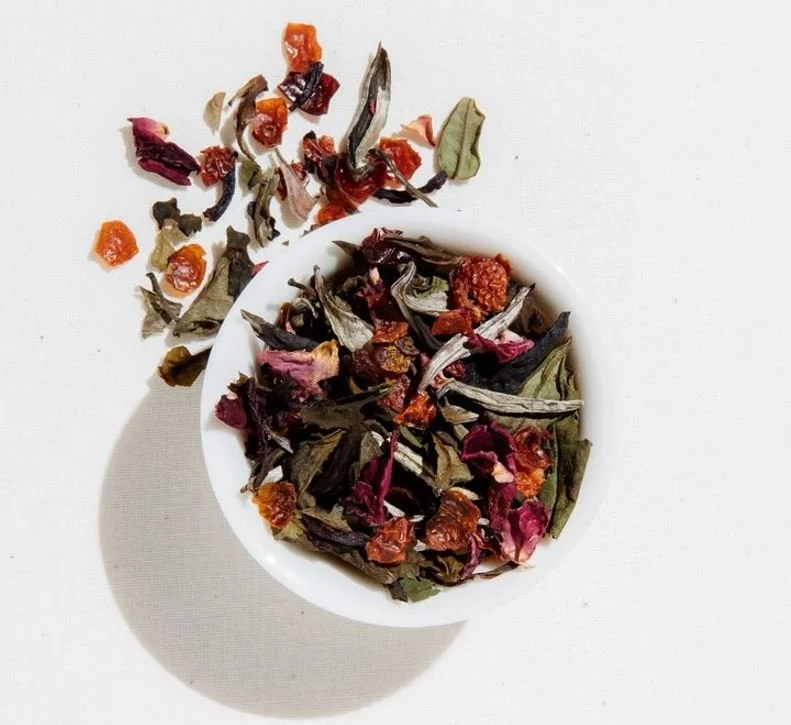
Some days, it’s warmth in the hands.
Other days, it’s the only quiet moment we give ourselves.
Long before people spoke about antioxidants or nervous-system regulation, tea was already doing its work. It slowed people down. It marked transitions. It gave the body a reason to pause.
So when people ask about the healthiest tea to drink every day, the answer is rarely about chasing the strongest benefits. It’s about choosing something the body doesn’t resist.
That’s where goddess tea blends and ritual tea come in. Not as wellness trends, but as practices rooted in rhythm, repetition, and plant wisdom. This approach sits at the heart of Anahata Holistic Healing, where tea is treated as a living ritual rather than a functional drink.
What Makes a Tea Suitable for Everyday Use
A daily tea should feel easy.
You shouldn’t need to think too much about it. It shouldn’t leave you wired, foggy, or depleted later in the day. The healthiest teas tend to be the ones you can return to without questioning whether it’s “too much.”
Teas that work well day after day usually:
Feel gentle on digestion
Support hydration
Settle the nervous system instead of pushing it
Leave a sense of steadiness afterward
Research has shown that many herbal and lightly caffeinated teas contain polyphenols and plant compounds that support oxidative balance and stress modulation when consumed regularly. But most people don’t feel that in numbers.
They feel it in how their body responds over time.
Herbal Teas for Anxiety and Emotional Grounding
Herbal tea doesn’t rush anything.
That’s why it’s often turned to in moments of anxiety, emotional tension, or quiet exhaustion. Herbs work slowly, and in doing so, they signal safety to the nervous system.
Common plants found in herbal tea for anxiety include chamomile, lemon balm, and passionflower. These herbs have been used for generations, not to sedate, but to soften.
What matters just as much as the plant is the act itself.
Boiling water. Waiting. Sitting.
A systematic review on herbal tea consumption shows that people increasingly seek teas for emotional well-being rather than stimulation. That shift makes sense. The body doesn’t always need more energy. Sometimes it needs reassurance.
Green Tea, Jasmine, and a Softer Kind of Clarity
Green tea is often listed among the healthiest teas, and for good reason. Its antioxidant profile has been widely studied, particularly for brain and metabolic support.
But not all green tea experiences feel the same.
Rituals green tea is not about productivity or alertness at all costs. It’s about clarity that feels spacious rather than sharp.
When green tea is paired with jasmine, the experience changes again.
Jasmine Tea and Nervous-System Ease
Research suggests that jasmine aroma alone can influence mood and relaxation. Many people notice this immediately, even before the tea is finished.
Jasmine green tea tends to work well for:
Gentle mornings
Midday grounding
Moments when focus is needed without pressure
It doesn’t pull the body forward. It keeps it present.
Goddess Tea Blends and Conscious Tea Rituals
A goddess tea blend isn’t just a combination of herbs.
It’s an intention in physical form.
These blends are often created to support emotional cycles, rest, intuition, and inner balance. The herbs are chosen for how they feel over time, not just for isolated benefits.
At Anahata, goddess ritual teas are meant to be returned to again and again. They aren’t designed for urgency. They’re designed for continuity.
This makes them suitable for daily or near-daily use, especially for those who want their tea to feel grounding rather than stimulating.
You can explore these blends here.
Teas for Relaxation, Sleep, and Evening Rituals
Evening tea should feel like an exhale.
The healthiest teas for relaxation and sleep are caffeine-free and gentle. They often include chamomile, lavender, rose, or other calming botanicals that encourage the body to slow down naturally.
Studies consistently link these herbs with improved sleep quality when paired with calming routines. But again, the ritual matters.
Lower lights. Fewer words. Slower movements.
Tea becomes a signal that the day is done.
Tea and Long-Term Brain Health
Some teas support mental clarity not by stimulating focus, but by reducing background strain.
Green tea and certain herbal infusions have been studied for their role in reducing oxidative stress, which supports long-term brain health. These effects are subtle. They build quietly.
That’s why daily tea rituals feel sustainable. They don’t borrow from tomorrow’s energy.
Why Ritual Changes the Effect of Tea
One of the clearest shifts in modern tea culture is this: people are no longer just drinking tea. They are creating space around it.
Ritual slows the nervous system.
It improves digestion.
It creates emotional grounding through repetition.
This is not abstract. The body responds differently when something is done with intention.
This is why conscious tea practices sit at the core of Anahata’s philosophy. Tea is not meant to be consumed mindlessly. It’s meant to be met.
Rituals Tea: Where to Buy With Integrity
If you’re searching for ritual tea, where to buy, sourcing matters.
Choosing blends made with plant integrity and conscious formulation makes a difference, especially when tea is part of a daily practice.
Anahata’s ritual teas are created with this care, aligning plant wisdom with modern nervous-system needs.
You can also explore related wellness insights on Anahata’s website.
FAQs
What is the healthiest tea to drink daily?
The healthiest daily tea is one that supports balance rather than stimulation. Herbal teas and lightly caffeinated green or jasmine teas are often well tolerated.
Are goddess tea blends suitable for everyday use?
Most goddess tea blends are designed to be gentle and ritual-based, making them suitable for regular use. Always review ingredients if you have sensitivities.
Which teas help reduce stress naturally?
Chamomile, lemon balm, passionflower, and jasmine-based teas are commonly associated with calming effects.
Can tea support mental well-being?
Yes. When consumed consistently and mindfully, certain teas support emotional regulation and nervous-system balance.
Is ritual tea different from regular tea?
Ritual tea is defined by intention. The way tea is prepared and consumed shapes its effect as much as the herbs themselves.
Where to Begin
The healthiest teas are not chosen for intensity.
They’re chosen for how gently they meet the body, day after day.
If you’re looking to build a daily practice that supports calm, clarity, and emotional balance, explore Anahata’s goddess ritual teas and allow tea to become something you return to — not something you rush through.