
Do Singing Bowls Help Your Mind Settle Into a Deeper Meditative State?
Meditation is often described as stillness. In practice, it rarely feels that way.
Most people sit down intending to be quiet, but instead meet a restless mind. Thoughts loop. The body fidgets. Attention drifts. This is where sound, when used intentionally, can change the experience.
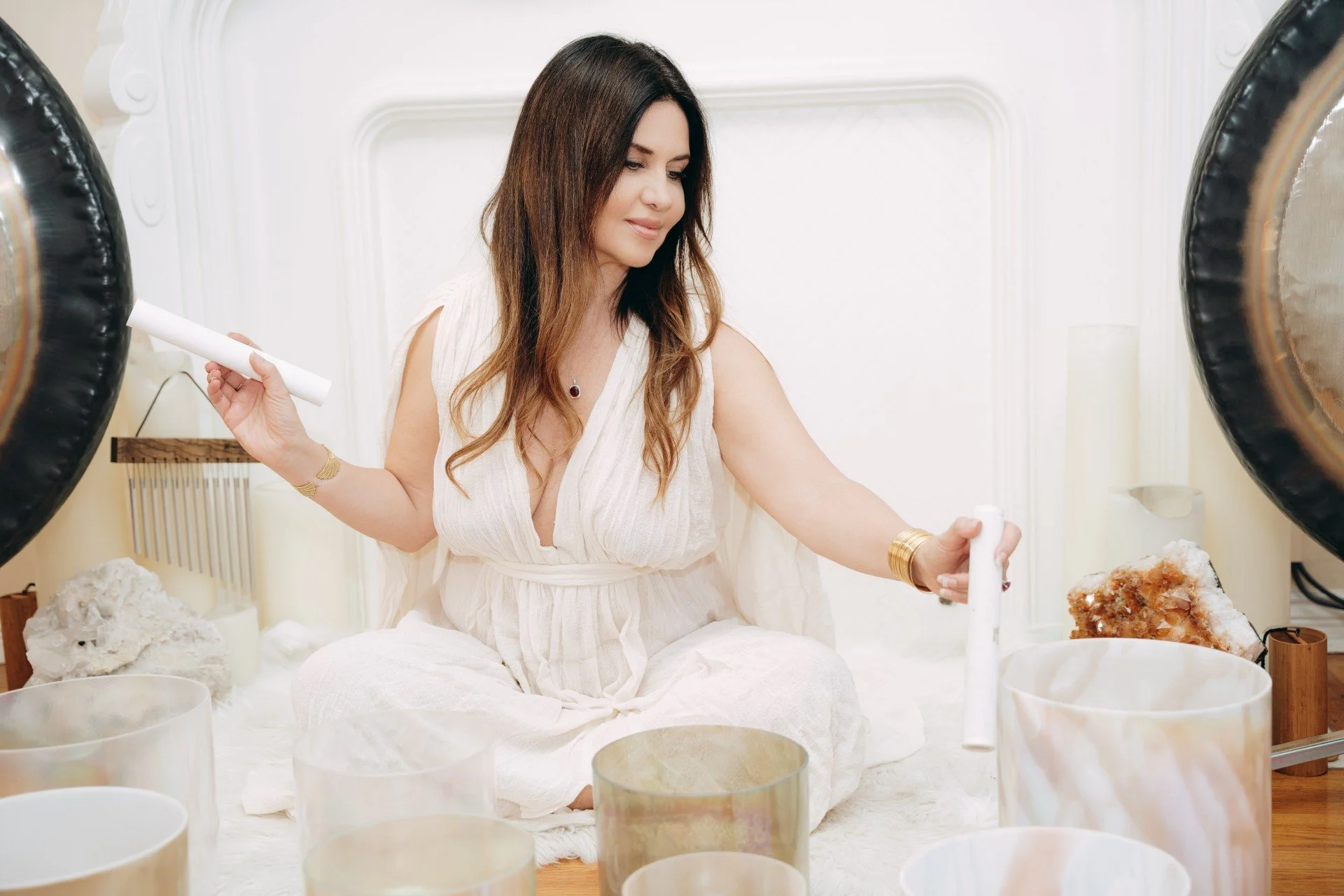
Many people turn to crystal tones alchemy singing bowls not because they promise enlightenment, but because they offer something simpler: a place for attention to rest.
What Is a Singing Bowl, Really?
At its core, a singing bowl is a resonant instrument.
When struck or circled with a mallet, it produces sustained sound waves that fill the space around it. Unlike music that moves quickly from note to note, a singing bowl holds a tone long enough for the body and mind to respond.
Historically, singing bowls have been used in contemplative and ceremonial settings for centuries. Today, they are commonly used in meditation, sound baths, and prayer practices.
The purpose of a singing bowl is not to force relaxation, but to create a stable sensory anchor. Something steady. Something the mind can return to without effort.
How Do Sound Bowls Work With the Nervous System?
Sound doesn’t just reach the ears. It moves through the body.
When a bowl is played, its vibrations create a field of sound that can be felt as much as heard. Research suggests that sound-based meditation practices are associated with reduced stress markers and improved emotional regulation in some participants.
This doesn’t mean singing bowls “fix” the mind. What they often do is soften the conditions that keep the mind restless.
Sound gives the nervous system something predictable. And predictability feels safe.
Singing Bowl Frequency and the Meditative State
Every singing bowl carries its own frequency profile.
Some tones feel grounding and heavy. Others feel lighter and more expansive. This is why people often ask about singing bowl size and frequency.
Larger bowls tend to produce lower, deeper tones
Smaller bowls often carry higher, sharper frequencies
Crystal bowls produce purer, more sustained sound compared to metal bowls
There’s no universal “best” frequency for meditation. The most supportive frequency is the one that your body doesn’t resist.
Many practitioners notice that when the tone feels steady and immersive, the mind naturally follows. Thoughts slow, not because they’re pushed away, but because attention has somewhere else to land.
Why Crystal Tones Alchemy Singing Bowls Feel Different
Crystal tones alchemy singing bowls are made from high-purity quartz crystal and, in some cases, infused with trace elements or gemstones. This gives them a distinct tonal quality that differs from traditional metal bowls.
What many people notice first is clarity.
The sound feels clean. Sustained. Almost spacious.
This makes them especially suitable for:
Seated meditation
Sound bath sessions
Prayer or intention-setting
Nervous system regulation practices
Because the sound holds itself, the practitioner doesn’t need to “do” much. The bowl carries the rhythm.
You can explore Anahata’s curated collection here.
Traditional Singing Bowl Meditation and Modern Use
In traditional singing bowl meditation, sound is treated as a companion rather than a tool. It marks time. It holds space. It signals transitions.
Modern practitioners often use bowls in similar ways:
Opening a meditation session
Supporting breath awareness
Closing a practice gently
Some people also use singing bowls during sound bowl prayer and relaxation, allowing sound to replace words when intention feels difficult to articulate.
What matters is not technique, but relationship. How you listen. How do you let sound move through you?
Do Singing Bowls Actually Deepen Meditation?
For many people, yes. But not in a dramatic way.
Singing bowls don’t usually create instant stillness. What they tend to do is reduce friction. The mind doesn’t have to work as hard to stay present.
A 2021 review published in Frontiers noted that sound-based meditation practices may support relaxation and emotional well-being, especially when combined with mindful attention.
In simple terms, sound helps the mind settle because it gives it something steady to follow.
Choosing the Right Singing Bowl for You
There is no perfect bowl. There is only resonance.
When choosing a bowl, it helps to consider:
How the sound feels in your body
Whether the tone feels calming or overstimulating
How long does the sound sustain
Some people prefer deeper tones for grounding. Others feel more at ease with lighter frequencies.
If you’re unsure, one-on-one guidance can help. Anahata offers personal bowl consultations.
Frequently Asked Questions
What is a singing bowl used for?
Singing bowls are used to support meditation, relaxation, prayer, and sound-based practices by providing sustained, calming sound.
Do crystal singing bowls work differently from metal bowls?
Crystal bowls tend to produce clearer, longer-lasting tones, which many people find easier to focus on during meditation.
Can beginners use singing bowls?
Yes. Singing bowls are accessible and don’t require prior experience. Listening is often enough to begin.
Is there a specific frequency for meditation?
No single frequency works for everyone. The most effective tone is the one that feels steady and supportive to you.
How often should singing bowls be used?
They can be used daily or occasionally. Consistency matters less than intention and comfort.
A Sound Way to Begin
Meditation doesn’t always need more effort. Sometimes it needs support.
Singing bowls don’t silence the mind. They give it somewhere to rest. Over time, that can change how meditation feels, making it less like a task and more like a place you return to.
If you’re curious about working with sound more intentionally, explore Anahata’s crystal tones, alchemy singing bowls, or book a personal consultation to find a bowl that resonates with you.