
Advice on Seeking Out a Retreat in France
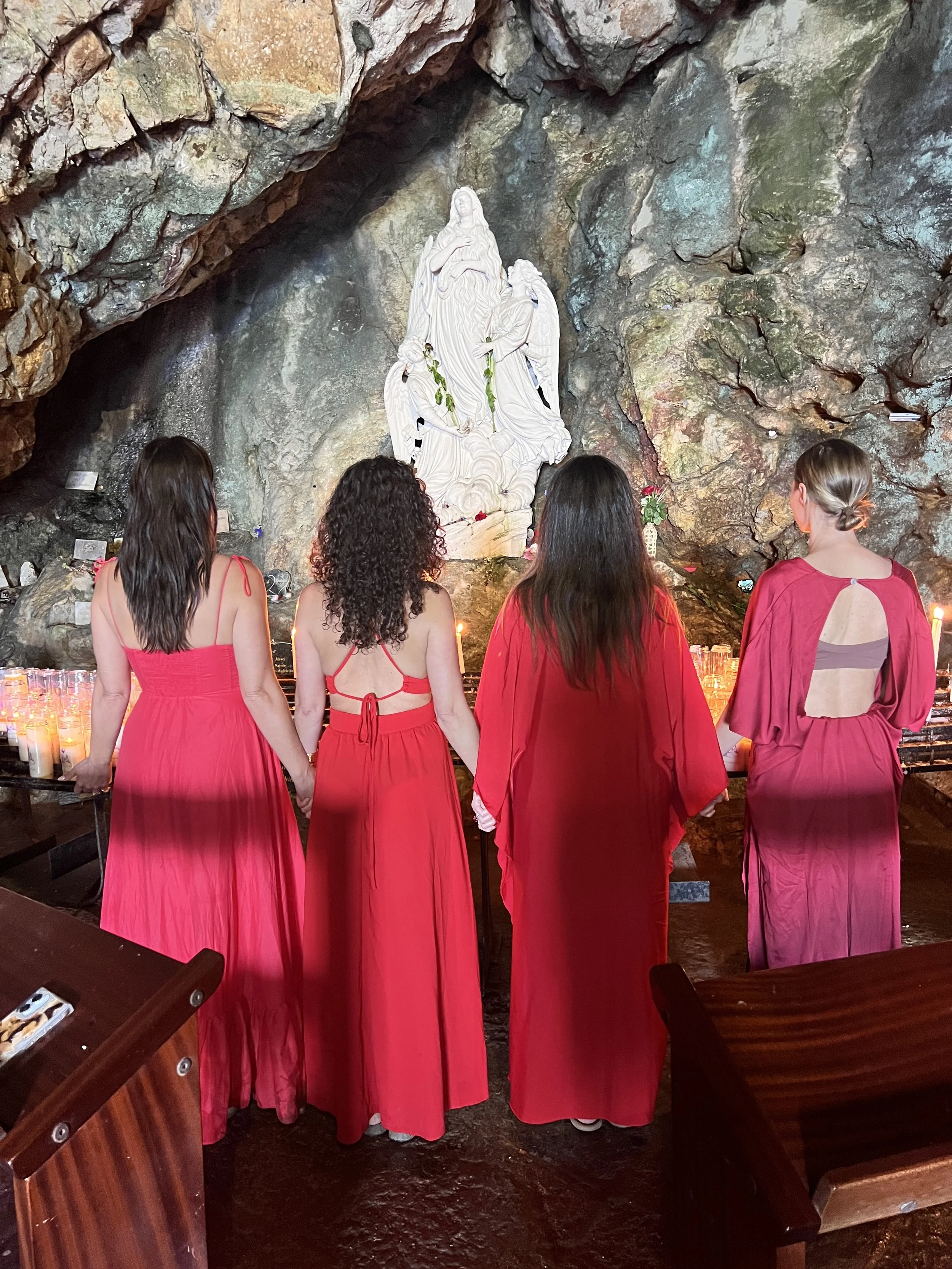
France has a particular kind of magic for retreat work. Not the loud, postcard version. The quieter one. Long walks that settle the nervous system. Meals that slow you down without feeling like a performance. Landscapes that make it easier to soften, even if you arrive carrying a lot.
If you’re searching for a wellness retreat in France, this guide is here to help you choose with clarity. You’ll get practical planning support (timing, budgeting, visas, transport) and a grounded sense of the retreat styles you’ll find across the countryside.
Why Choose France for Your Retreat Experience
France is surprisingly easy to do well, even if you’re not someone who loves complicated travel.
You can fly into a major hub, then take a train out to smaller regions without turning the journey into a multi-day expedition. High-speed rail makes it realistic to land in Paris and be in cities like Bordeaux, Lyon, or Marseille within a few hours.
Beyond logistics, France offers a genuine variety. A coastal retreat feels completely different from a mountain week, and both feel different again from a quiet countryside setting where the days are built around silence, practice, and rest.
The French Approach to Wellness and Mindfulness
Wellness in France often feels less like a “program” and more like a rhythm. Morning markets. Slow meals. Time outdoors. Space for beauty. When a retreat leans into that pace, it tends to land deeper because the environment supports the work you came for.
Retreat styles you’ll commonly find
Mindfulness monasteries and practice centers
Plum Village, near Bordeaux in southwest France, is a major mindfulness practice center in the Plum Village tradition.
Buddhist meditation retreat centers
Dechen Chöling, near Limoges, runs meditation programs within the Shambhala network.
Vipassana meditation courses
Dhamma Mahī in France offers residential courses taught in the Goenka tradition, with the well-known donation-based model.
Yoga and restoration weeks in the countryside
Provence and the Loire Valley are popular for yoga, nature immersion, gentle structure, and slow living (often with local food and day trips built in).
Women’s retreats in France with spiritual depth
Some journeys are designed as feminine pilgrimage experiences, held in sisterhood, with sacred sites and devotional practice.
If you’re specifically looking for a women’s retreat in France, pay attention to the container. Women-only retreats often feel different because pacing, sharing, and emotional safety are actively held, not left to chance.
Best Times to Visit
Timing shapes everything: weather, cost, crowd levels, and even how your body responds.
A simple seasonal guide:
Spring (April–June): Fresh energy, lighter crowds, comfortable outdoor practice. Late spring in Provence is especially popular before peak summer.
Summer (July–August): Bright, busy, often pricier. Still beautiful, just less quiet.
Early autumn (September–October): A favorite for retreats. Warm days, calmer travel, and a more reflective feel.
Winter (November–March): Best for deep rest, spa-style recovery, quiet countryside retreats, or mountain settings if you like stillness.
If your dream is “quiet countryside and space to breathe,” shoulder seasons usually deliver the best balance.
Budgeting for Your Retreat in France
Pricing in France ranges widely depending on location, accommodation style, group size, and inclusions (meals, sessions, excursions, private rooms, spa access).
Here are realistic anchors to plan with:
Many 4–7 day retreats land somewhere in the mid to high hundreds or into the low thousands per person once you include room, food, and programming, with luxury packages rising from there.
Rural venues with simpler lodging often cost less than boutique properties in peak season.
Real-world examples from established retreat centers (helpful for calibration)
Plum Village lists accommodation (roughly €18–€50 per day) alongside food and facility contributions as part of its cost structure.
Dechen Chöling publishes accommodation rates that include budget options such as camping and dorm-style lodging.
Vipassana (Goenka tradition) courses state there are no charges for teaching, food, or accommodation, and the retreats are supported by voluntary donations.
A budgeting checklist before you book
Ask these upfront so you don’t get surprised later:
Is it all inclusive, or are excursions and therapies extra?
Are airport or train transfers included?
Is there a single room supplement?
Are dietary needs genuinely supported, or “best effort”?
What is the refund or rescheduling policy?
Transportation and Accessibility
France is one of the easier countries to do “city arrival, countryside retreat” without stress.
What usually works well:
Fly into a major airport, then continue by train.
Use high-speed rail to get close to your region. Paris to Bordeaux and Paris to Lyon are common examples of routes that can be done in a few hours.
Plan the last mile carefully. Many venues are rural, so you may need a taxi, pre-arranged shuttle, or rental car for the final stretch.
One tip that saves nervous systems: if you can, arrive the day before your retreat begins. Give your body a night to land. Your first session will feel completely different.
Visa Requirements and Travel Considerations
If you’re traveling from outside the EU, treat visa planning as part of your retreat prep, not a last step.
A Schengen short stay framework typically allows up to 90 days within any 180-day period in the Schengen area (including France).
Requirements vary by nationality, and appointment timelines can shift, so rely on official guidance and apply early, especially in peak seasons.
Also, check practical details that retreats sometimes forget to highlight:
travel insurance expectations
mobility considerations (stairs, hikes, rural terrain)
whether pickup support exists or you’re expected to arrive independently
What to Expect During Your French Retreat Experience
The most useful question isn’t “What’s the best retreat?”
It’s “What do I actually need when I finally stop running?”
Different retreat styles create different inner experiences. Here’s a grounded way to choose.
Retreat styles and who they suit
Best yoga retreats in France: Movement, breath, nourishing meals, and gentle excursions. Ideal if your body wants regulation and your mind wants quiet without strict silence.
Meditation retreats France: Everything from guided mindfulness to deeper silent formats. Some are structured and intensive, others spacious and supportive.
Buddhist retreats France: The tone depends on the lineage and teachers. Plum Village and Dechen Chöling are well-known examples, but the experience is very different at each.
Digital detox France retreats: Reduced phone use, quiet mornings, nature immersion, slower pacing, and less stimulation.
Women’s pilgrimage and spiritual retreats: Sacred landscape, ritual, sound, movement, and sisterhood, often held with emotional depth and devotional practice.
Spiritual retreat activities you may experience
walking meditation through forests, vineyards, or mountain paths
breathwork circles and guided pranayama
sound healing sessions (bowls, gong, voice)
journaling prompts and integration circles
ritual evenings (candles, prayer, devotional practice)
visits to ancient sites, chapels, caves, or natural springs
If you’re drawn to sacred site work and feminine lineage, Anahata’s Mystic Union (France) is designed as a women’s pilgrimage through Provence and the Cathar region, including daily yoga, meditation, breathwork, temple ceremonies, and sound activations alongside visits to multiple sacred sites.
Questions that reveal the right retreat fast
Use these like a compass:
What do I want to feel when I leave: rested, clear, stronger, softer, initiated?
Do I want silence, or do I need guided sharing and relational healing?
Do I want structure (fixed schedule) or spaciousness (more personal time)?
Do I feel safest in mixed groups, or in a women’s retreat in a French setting?
Do I want pure nature, or nature plus cultural beauty (villages, basilicas, châteaux)?
When those answers are honest, the right retreat becomes much easier to spot.
Your Retreat Can Be Simple, and Still Sacred
A retreat in France doesn’t need to be perfect to be transformative. It needs to be aligned.
Choose the region that matches what your body needs. Pick a retreat style that fits your nervous system. Budget with clarity. Handle transport and visa planning early so you arrive open instead of braced.
If you’re ready for something deeply devotional and held in sisterhood, explore Anahata’s France journey.
FAQs
What’s the best region for a wellness retreat in France?
Provence is popular for sunshine, countryside calm, and yoga-friendly landscapes. The Loire Valley offers a softer, garden and château feel. The French Alps suit people who want mountain air and quiet intensity. The best choice depends on what your body responds to.
Are there non-religious retreats in France?
Yes. Many wellness retreats focus on yoga, mindfulness, nature, and rest without religious framing. Some mindfulness centers also welcome people of all backgrounds. Read the retreat’s language carefully to see whether it’s spiritual, secular, or tied to a specific lineage.
How much do retreats in France usually cost?
Costs vary by venue and what’s included. Some established centers publish their rates, which can be useful for benchmarking, while boutique retreats often price higher with private rooms, spa access, and curated excursions.
Do I need a visa for a retreat in France?
It depends on your passport. Many non-EU travelers use the Schengen short stay framework (up to 90 days within any 180-day period). Always check official guidance early and plan around appointment availability.
What should I pack for a retreat in the French countryside?
Comfortable layers, a warm wrap for evening practice, walking shoes, a refillable water bottle, and one outfit that feels nice for dinners or ceremonies. If your retreat includes hikes or sacred site visits, pack rain protection and sun protection. Pack light, but plan for weather shifts.