
How Sound Baths Are Revolutionizing Healing and How to Try One
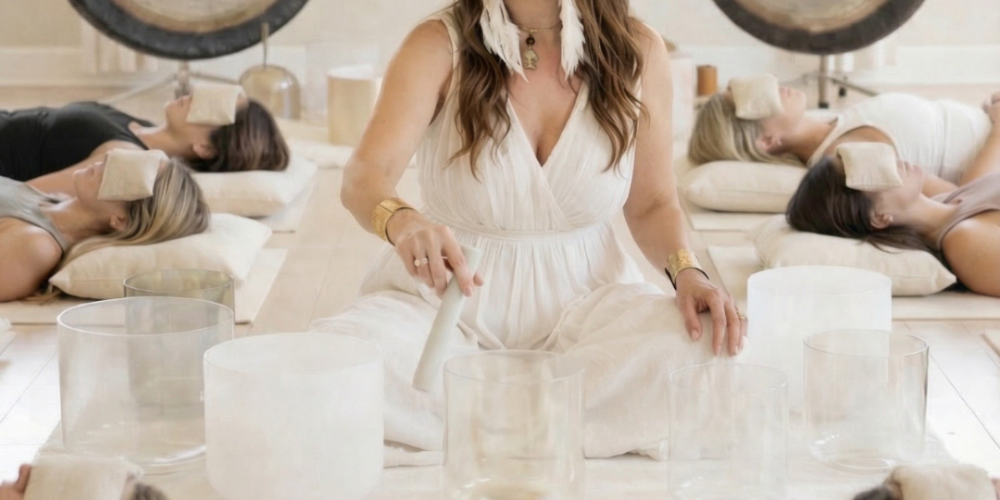
If you have been curious about sound meditation benefits, you are not alone. Sound baths have quietly moved from niche spiritual circles into mainstream wellness spaces, and for a simple reason: many people feel better after they leave.
Not “fixed.” Not magically transformed. Just calmer. More grounded. Softer in the body.
This guide breaks down the benefits of sound healing, what a sound bath actually is, how sound baths work, and how to try one in a way that feels safe and supportive.
What is a sound bath?
A sound bath is a guided experience where you lie down and receive waves of sound from live instruments, often crystal singing bowls, Tibetan bowls, gongs, chimes, and other resonant tools. The intention is deep rest. You are not performing anything. You are receiving.
Some sessions are purely meditative. Others blend intention setting, breathwork, or energy healing as part of the opening and closing.
What is sound bath meditation, and why does it feel different?
Sound bath meditation works beautifully for people who struggle with “traditional” meditation. Instead of trying to hold focus on the breath while thoughts race, sound gives your mind something to soften into.
Many people describe it as being carried. The sound becomes a gentle anchor, and the body follows.
From a science lens, sound-based practices sit under the broader umbrella of music and sound interventions, which researchers have studied for their effects on the brain, stress response, mood, and symptoms like anxiety or sleep disruption.
How do sound baths work?
A sound bath works through a few overlapping pathways. You do not need to believe in anything mystical for these to be real.
1) Attention shifts away from mental noise
When the sound changes in tone, volume, and texture, your attention naturally follows it. That shift can interrupt rumination and create a felt sense of “space” in the mind.
2) The body moves toward a relaxation response
Many people show signs of downshifting during sound meditation: slower breathing, less muscle tension, heavier limbs. In an observational study on Tibetan singing bowl meditation, participants reported reduced tension, anger, fatigue, and depressed mood after a session.
3) Nervous system regulation and heart rhythms
Some small studies have explored markers like heart rate variability during singing bowl sessions and found patterns consistent with relaxation. The overall evidence base is still small, but it points in an interesting direction.
4) The ritual effect
A dim room, a blanket, the act of arriving with an intention, the feeling of being held by a facilitator and group. These details matter. They tell your system it is safe to let go.
Sound meditation benefits: what people feel, and what research suggests
This is where honesty matters.
Sound baths are not a replacement for medical care, and the research on “sound baths” specifically is still early. A systematic review on singing bowls found only a small number of studies and noted limitations in study quality, even though results across those studies often looked positive.
With that in mind, here are the most consistent sound bath meditation benefits people report, paired with what we can responsibly say.
Deep relaxation and stress relief
Many people use sound baths the way others use a massage or a long walk: to discharge stress from the body. Studies on singing bowl meditation show short-term improvements in mood and tension reports.
Support for sleep and unwinding at night
A “sleeping sound bath” is common. People drift off, and that is not a failure. It usually means your system has finally found a door to rest.
We have stronger research on music interventions more broadly. For example, a 2024 systematic review and meta-analysis suggested music interventions could improve sleep quality in people with mental health challenges, while still calling for higher-quality studies.
Another 2023 meta-analysis found music listening improved sleep quality in hospitalized patients.
Sound baths are not identical to recorded music, but the overlap helps explain why so many people report better sleep after sound-based practices.
Emotional release and nervous system settling
Some people cry. Some feel waves of energy. Some feel nothing, then notice later that they handled a stressful conversation differently. The most grounded way to describe this is nervous system settling. When the body downshifts, emotions that have been held tightly sometimes loosen.
A sense of spiritual connection
Many describe feeling “back in the heart.” That matters. In the singing bowl meditation study, spiritual well-being scores increased after the session.
Who are sound baths most beneficial for?
A sound bath can support many people, but it tends to land especially well for:
People who feel overstimulated, anxious, or mentally “busy”
Anyone moving through grief, transition, or emotional burnout
People who want meditation support without pressure to do it perfectly
Those who feel called to spiritual practice through vibration, sound, and sacred ritual
If you are highly sensitive to sound, it can still work, but you will want a facilitator who understands pacing, volume control, and grounding.
What to expect at your first sound bath
Walking in with a simple map helps you relax.
A typical session flow
Arrival and settling
Shoes off, blankets, water, a moment to land.
Intention setting and grounding
A short meditation, breathwork, or guided prayer, depending on the space.
The sound journey
Crystal bowls, Tibetan bowls, gongs, chimes, sometimes voice or ambient layers.
Integration
A quiet closing, journaling prompt, or gentle return to the room.
What to bring
A water bottle
Layers, because body temperature can drop during deep relaxation
An eye mask if you like darkness
Anything that makes your body feel safe: socks, a shawl, a small pillow
What you might feel
Tingling, warmth, heaviness, spaciousness
Emotions rising and releasing
Sleepiness
A quieter mind than you expected
All of this can be normal.
How to try a sound bath, even if you feel nervous
If you are new, start with a beginner-friendly session that emphasizes comfort and grounding.
A simple beginner plan:
Choose a 45 to 60-minute session first
Arrive early so you are not rushing
Sit closer to the edge of the room if you want an easy exit
Tell the facilitator if you are sound sensitive or have anxiety
If you are exploring sound healing through Anahata’s work, you can look for options like private sound healing sessions and scheduled sound bath events, often incorporating crystal and Tibetan bowls plus additional modalities.
How often should you do a sound bath?
There is no universal “perfect” frequency for sound baths specifically. Think of it like yoga or meditation: consistency matters more than intensity.
A practical rhythm many people love:
Once a month for maintenance and emotional clearing
Once a week during high-stress seasons, grief, or major life transitions
A short session at home (10 to 20 minutes) on evenings when your nervous system feels loud
After three sessions, you will usually know what your body prefers.
A gentle safety note
Sound baths are generally considered low risk, but there are situations where extra care helps:
Severe sound sensitivity or tinnitus
Seizure disorders where sensory triggers matter
PTSD, where deep relaxation can feel activating at first
Pregnancy, especially ifthe volume is very high or you feel ungrounded
If you are unsure, speak with your clinician and choose a facilitator who prioritizes consent, grounding, and volume control.
Sound as medicine, sound as remembrance
The reason sound baths feel revolutionary is not that they are new. It is because they bring something many people are missing: a direct path into the body, without words.
If you want to explore sound healing in a more guided way, Anahata offers sound healing experiences and sacred tools like crystal singing bowls designed for meditation, balancing, and ritual practice.
FAQs
What is a sound bath meditation?
A sound bath meditation is a restful, often lying down practice where you receive live sound from instruments like crystal singing bowls, gongs, and chimes. The sound becomes your meditation object, helping the mind settle and the body relax. Many sessions begin with intention setting or breathwork.y
What are the sound meditation benefits people notice most?
The most common sound meditation benefits are deep relaxation, nervous system calm, emotional release, and better sleep. Research on Tibetan singing bowl meditation found participants reported reduced tension and negative mood after a session, though studies are limited and more robust research is still needed.
How do sound baths work, scientifically?
Sound baths likely work through attention and relaxation mechanisms: sound guides focus, reduces mental rumination, and supports a downshift into a calmer physiological state. Studies on singing bowls show short-term mood and tension improvements, while broader research on music interventions supports benefits for wellbeing and sleep in certain groups.
How often should you do a sound bath?
Most people do well with one sound bath per month for general maintenance. Weekly sessions can feel supportive during stressful seasons or big transitions. There is no single evidence-based schedule for sound baths, so let your body guide you. If you leave feeling clearer and sleepier in a good way, you are on the right track.
Can you fall asleep during a sound bath?
Yes. A “sleeping sound bath” happens often, especially if you are depleted. Falling asleep usually means your system has finally relaxed enough to rest. You might miss parts of the live journey, but your body still receives the experience. If you want to stay awake, try sitting slightly elevated or choosing an earlier session time.