
Sekhem Reiki Explained: Egyptian Energy Healing
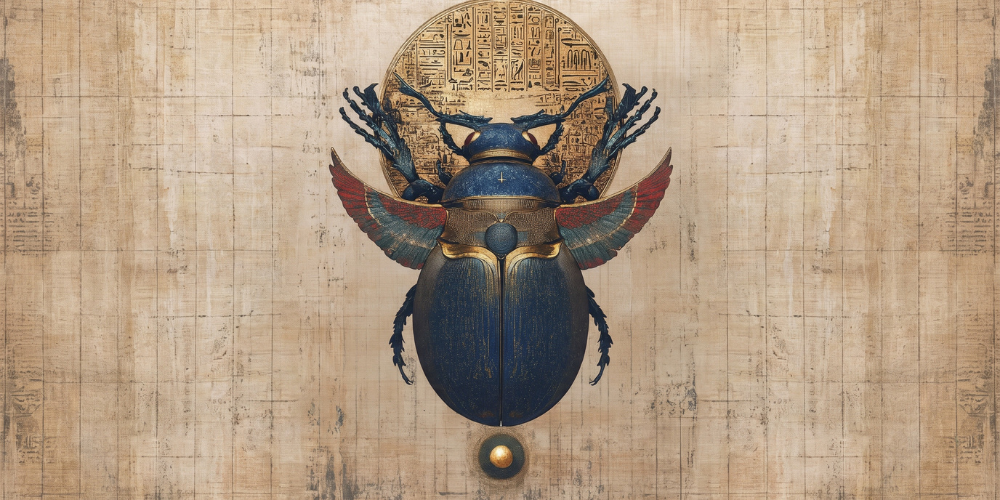
Sekhem Reiki often invites more questions than clear definitions. It is described as ancient, Egyptian-rooted, and deeply powerful, yet its place alongside Reiki is not always well explained.
People tend to encounter Sekhem with the same core curiosities: where it comes from, why its name appears in multiple spellings, how it relates to traditional Reiki, and what distinguishes the experience of receiving it from other energy healing practices.
This guide explores the origins of Sekhem, how it is practiced today, and what clients and practitioners commonly report during sessions. The aim is not to mythologize or dismiss it, but to offer context, clarity, and a grounded understanding of what Sekhem is and how it is experienced in real practice.
What is Sekhem Reiki?
Sekhem Reiki is an energy healing approach that is commonly taught in relation to Reiki, but it has its own story, vocabulary, and flavor.
You will often see it written as:
Sekhem
Seichim
Seichem
SKHM
Those variations are not just aesthetic. The Reiki Council notes that Seichim is the most common spelling, with Seichem and Sekhem also used, largely because early teachings spread through the spoken word. The International House of Reiki also describes Seichim as being known by multiple spellings, including SKHM.
In many lineages, practitioners describe Sekhem as:
hands-on or hands near energy work
strongly heart-centered
sometimes taught with an elemental framework
experienced as a “stronger” or more spacious current than what people are used to in a first Reiki session
That last point is subjective, not guaranteed. It is simply how many people describe it.
Origins of Sekhem energy healing
Here is the clearest version of the modern origin story, as told through established Reiki history sources.
Patrick Zeigler and the 1980 Egypt story
The Reiki Council describes Patrick Zeigler as the person who introduced Seichim “to the world in our time,” connecting his experience to Egypt and a powerful energetic event during a night in the Great Pyramid of Giza in 1980. The International House of Reiki similarly notes that he spent a night in the Great Pyramid in 1980, and that this eventually led to Seichim, also known as Seichem, Sekhem, and SKHM.
How it merged with Reiki in the West
After returning to the US, Zeigler trained in Reiki (the Reiki Council references Barbara Weber Ray), and Seichim began to be taught and attuned, often alongside Reiki by other teachers and lineages.
So, while Sekhem is frequently described as “Egyptian,” the modern organized teaching systems people train in today are largely a late 20th-century development.
Sekhem Reiki, Seichim, and Seichem: what is the difference?
Sometimes there is no difference at all, just spelling.
Sometimes there is a lineage difference.
Sometimes there is a curriculum difference.
The Reiki Council puts it plainly: there are “various spellings and many different definitions,” and different Seichim systems may use Reiki symbols only, or add additional symbols.
Quick clarity table
| Term you see | What it usually means in practice | Why it varies |
|---|---|---|
| Sekhem | A spelling used to point to Egyptian roots or “power” | Different teachers choose different spellings |
| Seichim | A common spelling linked to early teaching streams | Spread through spoken word, later written differently |
| Seichem | Often used when taught explicitly “with Reiki” | Lineage blends, plus training structures |
If you are choosing a practitioner or a training, ask one simple question:
“Which lineage and curriculum do you teach, and what do you mean when you say Sekhem?”
A good teacher will not get defensive. They will get clear.
Sekhem and ancient Egyptian healing traditions
This is where it helps to hold two truths at once.
Truth one: In ancient Egyptian culture, words and symbols related to “power” and spiritual authority exist, including the concept of “sekhem” and scepters associated with power.
Truth two: The modern healing modality called Sekhem Reiki is not a direct, academically proven continuation of an ancient temple medical system. Many of the “temple” references are spiritual framing and lineage story, not archaeological documentation.
Still, symbolism matters. For many practitioners, Sekhem is connected to the archetype of Sekhmet, the lioness, the fierce medicine of transformation. Wellness sources that speak about Sekhem often link it with Sekhmet in that symbolic sense.
So if you feel drawn to Sekhem Reiki, it may not be because you want a history lecture. It may be because something in you recognizes the language of devotion: heart, courage, purification, rebirth.
What does Sekhem Reiki feel like?
This is the part people are shy to ask out loud, so let’s say it simply.
In energy healing sessions (including Reiki), people commonly report sensations like:
warmth or coolness
tingling
a sense of emotional release
deep calm, sometimes the kind that feels like “I forgot I could breathe like this”
or… nothing dramatic at all, just a quiet settling
A lot of mainstream medical and health sources describe Reiki sessions as relaxation-oriented, with experiences varying widely person to person.
With Sekhem Reiki specifically, many people describe the tone as more fiery or expansive, but that is personal, not a promise.
One honest expectation: You may feel different in your body before you can explain it in words. That is normal.
Sekhem Reiki vs traditional Usui Reiki
Usui Reiki is the Japanese system most people mean when they say “Reiki,” and its modern history is often traced through Mikao Usui and the lineages that spread in the West.
Sekhem or Seichim is often described as being taught alongside Reiki, sometimes as an “adjunct,” but not always by its founder.
A practical way to understand the difference
Usui Reiki often emphasizes:
foundational hand positions and practice structure
calm, steady, grounded energy work
a lineage approach that many schools try to keep consistent
Sekhem or Seichim systems often emphasize:
a heart-centered spiritual current
in some lineages, an elemental framework (earth, water, fire, air or spirit)
Egyptian symbolism or devotional language, depending on the school
Neither is “better.” They are different languages for meeting the same human need: regulation, meaning, and reconnection.
Sekhem Reiki training and practice today
Training matters because energy work is intimate. You deserve someone who knows how to hold the room.
At Anahata, Seichem is taught as a training pathway through AHH Academy, including Seichem Egyptian Healing Level I. Their training page describes Seichem as being pronounced “say keem,” notes that spellings may differ, and frames the practice as hands-on work on the body or in the surrounding field.
If you are exploring training anywhere, look for these markers of integrity:
clear consent practices and boundaries
language that does not promise cures
encouragement to stay connected to medical and mental health support when needed
mentorship and aftercare, not just attunement and goodbye.
What crystal and energy healing can and cannot claim
Because this matters.
Major health authorities note that Reiki has not been clearly shown to be effective for any health-related purpose, research quality is mixed, and there is no scientific evidence supporting the existence of the energy field described in Reiki frameworks. At the same time, Reiki is generally considered low risk when used as complementary care.
Sekhem Reiki has even less formal research than Reiki, so the most honest position is:
treat it as a spiritual and nervous system supportive practice
evaluate it by your lived experience over time
do not use it as a substitute for medical care when something serious is going on
That is not skepticism. That is respect, for both mystery and medicine.
What to expect in a Sekhem Reiki session
A typical session often includes:
A short conversation
What you are feeling, what you want support with, and what you do not want.
Settling the body
Breath, grounding, maybe a brief guided arrival.
Hands-on or hands near energy work
You rest. The practitioner works quietly. You receive.]
Integration time
A few minutes to come back slowly.
Aftercare suggestions
Hydration, rest, journaling, geand ntle movement. Nothing complicated.
If anything feels too intense, you can always ask the practitioner to stop. The work should honor consent, always.
Integrating Sekhem Reiki into ongoing healing
Sekhem Reiki tends to land best when it is not treated like a one-time miracle.
Try this gentle approach:
Book one session, then wait two or three days before “judging” it
Notice sleep, mood, appetite, and emotional reactivity
Journal one sentence a day: “Today my body feels…”
If you feel helped, consider a short series (three sessions is a common rhythm)
Pair it with real support: therapy, bodywork, movement, community, spiritual practice
Healing is rarely one door. It is usually a hallway.
FAQ
What is Sekhem Reiki in simple terms?
Sekhem Reiki is a form of energy healing often taught alongside Reiki. It is commonly described as Egyptian-inspired, heart-centered, and practiced through hands-on or hands-near sessions. Spellings vary by lineage, and experiences range from deep calm to subtle shifts.
Is Sekhem Reiki the same as Seichim or Seichem?
Often, yes. Many traditions use Sekhem, Seichim, and Seichem as different spellings for a similar energetic stream. Some schools, however, use the terms to signal different curricula, symbols, or attunement structures. Asking about lineage is the clearest way to know.
What does Sekhem Reiki feel like during a session?
People commonly report warmth, tingling, emotional release, or a deep sense of relaxation. Some feel very little physically but notice changes in mood or sleep later. Experiences vary widely, which is also true in Reiki sessions more generally.
Is Sekhem Reiki safe?
Energy healing practices like Reiki are generally considered low risk when used as complementary wellness support, and major health sources note no known direct harmful effects for Reiki itself. The bigger risk is replacing needed medical or mental health care with energy work alone.
Can Sekhem Reiki help with anxiety or trauma?
Some people find energy work calming and regulating, but it should not be treated as a substitute for trauma therapy or medical care. If you have a trauma history, look for practitioners who prioritize consent, pacing, and nervous system safety, and keep your other supports in place.
Conclusion and next step
Sekhem Reiki sits in a beautiful place, part lineage story, part lived experience, part devotion. It can feel like a return to the heart, not because someone “fixes” you, but because your system remembers it is allowed to soften.
If you want to explore this path with guidance and structure, Anahata offers Seichem Egyptian Healing training through AHH Academy.