
Shamanic Healing Retreats in Peru Guide
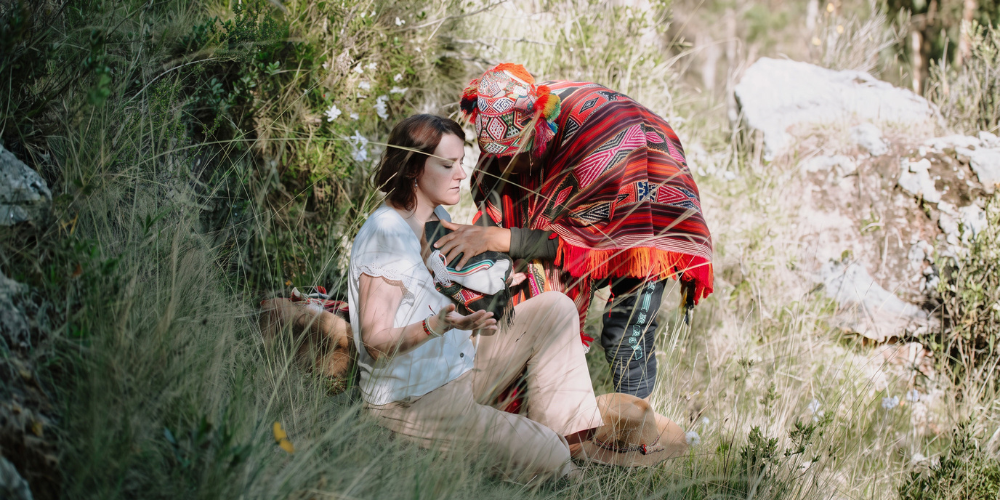
Most people arrive in Peru thinking they’re booking an experience.
What they’re actually booking is a container.
Because a shamanic healing retreat doesn’t only change what you feel in ceremony, it changes how you sleep, how you relate, what you tolerate, and what you stop pretending you’re fine with. That’s why the most important question isn’t “Will it be powerful?” Peru handles that.
The better question is: Will it be held well?
That is what separates meaningful shaman spiritual retreats from spiritual tourism with nice branding.
This guide breaks down what shaman healing retreats typically include, who they suit, and how to choose an ethical retreat in Peru without gambling with your body or your trust.
What a shamanic healing retreat in Peru actually offers
Different lineages work differently, but most shamanic retreat programs in Peru blend some version of these elements:
1) Ceremony and ritual, with a living tradition behind it
This can look like Andean offerings, blessings, prayers, and nature-based rites connected to Andean shamanism. In an Amazon shamanic retreat, ceremony is often the center of the retreat’s rhythm and may happen at night, depending on the tradition.
The key is not how exotic it sounds. The key is whether the retreat explains:
who leads the work (and their role)
what the ceremony is for
what support exists if something comes up
2) Energy work that’s practical, not performative
A lot of energy healing Peru retreats include cleansing practices, grounding rituals, sound, breath, and simple embodiment work that helps people discharge stress. The best centers don’t oversell it. They treat energy work like hygiene for the nervous system: consistent, respectful, and not dramatic.
3) A pace that supports healing
Some shaman retreats move fast: intense days, little rest, constant stimulation. Others build spaciousness into the schedule: morning practice, mid-day integration, evening ritual, and quiet.
If you’re seeking spiritual healing in Peru (not just catharsis), pacing is not optional. It’s part of the medicine.
4) Integration, the part most people underestimate
Integration is what turns a powerful week into a better life.
Strong shaman healing retreats include:
group sharing circles with guidance
journaling prompts that don’t feel like school
practical tools (breathwork, meditation, grounding) that you can actually keep doing at home
Without integration, even an incredible retreat can leave you raw and confused after you return.
Amazon vs Sacred Valley: two completely different retreat worlds
People often lump them together under “shaman retreats,” but these paths feel very different.
Sacred Valley healing retreat
A Sacred Valley healing retreat tends to be:
more grounded, more structured
more likely to include yoga, breathwork, or a Peruvian meditation retreat-style schedule
easier to integrate for first-timers and sensitive nervous systems
It’s a strong choice for people who want depth without overwhelm.
Amazon shamanic retreat
An Amazon shamanic retreat is often:
physically demanding (heat, humidity, remoteness)
emotionally intense
more likely to be plant-medicine-centered, depending on the center
If a retreat markets itself as a plant medicine retreat in Peru, it must have serious screening, safety protocols, boundaries, and medical readiness. If it doesn’t, it’s not “edgy.” It’s negligent.
Do all shamanic healing retreats include plant medicine?
No.
This matters because “shamanic” is often used as a shortcut word online.
Some retreats use the word shaman retreat to describe:
Andean rituals and earth-honoring ceremonies
sound healing and energy work
breathwork, meditation, and movement
Others use it to describe a full plant-medicine pathway.
Neither is automatically “better.” They’re just different. If you’re looking for a Peru spiritual retreat that’s deep but not substance-centered, you have real options, especially in the Andes and Sacred Valley.
Who shamanic retreats are truly for
A well-held shamanic healing retreat can be a fit if you:
are ready to face patterns you’ve outgrown (not just “feel inspired”)
want a reset that includes body, emotions, and meaning
can commit to integration after the retreat, not just during it
prefer guided structure over figuring it out alone
You should slow down and seek professional guidance first if you:
are in an acute mental health crisis
have unmanaged medical conditions
are taking medications that could complicate intense breathwork or substance-based ceremonies
feel pressured to book quickly, or feel unsafe asking questions
A retreat is not the place to “prove you can handle it.” It’s the place to be handled with care.
A practical safety + ethics checklist (save this)
Before you pay a deposit for any shaman retreats in Peru, ask these questions. If they can’t answer clearly, that is your answer.
People and roles
Who is the lead practitioner (and who are the facilitators)?
Who supports participants during ceremonies or intense practices?
What languages are spoken fluently by the team?
Safety
What medical screening is required before acceptance?
What is the emergency plan (and nearest medical access)?
What is the participant-to-facilitator ratio?
Boundaries
What are the consent policies around touch and private sessions?
What safeguards exist for solo travelers?
What happens if someone violates boundaries?
Integration
What support exists after the retreat ends?
Is there structured integration during the retreat (not only at the end)?
If you want one simple rule: a reputable Peruvian shaman or retreat center won’t be offended by safety questions. They’ll respect you more for asking.
A grounded option: Anahata’s Gold Mind Retreat in Peru
If you want a structured retreat in Peru that carries spiritual depth without positioning itself as plant-medicine tourism, Anahata’s Gold Mind Retreat is designed as a guided initiation journey through Cusco, the Sacred Valley, and Machu Picchu.
Details (as listed on the retreat page):
Dates: August 5–12, 2026
Early bird pricing: $4,888 USD
Deposit: $888 non-refundable, due upon acceptance
Single room supplement: $2,000
Includes: hotel, food, ceremonies, transportation, and entry tickets
Important clarity: this is not a plant-medicine retreat
If your intention is spiritual healing with a clear schedule, supported travel logistics, daily practice, and a curated group container, that kind of structure can be the difference between “a big week” and real change.
What to expect day-to-day (realistic, not romantic)
Most well-run shamanic retreats follow a rhythm like this:
Morning: grounding practice (meditation, breathwork, gentle movement)
Mid-day: teachings, nature time, restorative rest, or site visits
Late afternoon: preparation + intention setting
Evening: ceremony, energy work, sound, or guided inner work
After: integration circle, quiet time, journaling, hydration, sleep
If a retreat schedule has no quiet, no rest, and no integration, it’s usually built for intensity, not healing.
FAQs
What is a shamanic healing retreat in Peru?
A shamanic healing retreat in Peru is a guided retreat that draws from Andean or Amazonian ceremonial traditions and may include ritual, energy work, meditation, and integration support. Some retreats also include plant-medicine ceremonies, while others focus on non-substance spiritual practice.
Are shaman retreats in Peru safe for beginners?
They can be, but it depends on the retreat’s structure. Beginners do best with clear screening, experienced facilitators, explicit consent policies, and a slower pace (often found in Sacred Valley settings). If you feel rushed or unable to ask questions, it’s not the right place.
What’s the difference between a shamanic retreat and a spiritual retreat?
A spiritual retreat can be yoga, meditation, and reflective practices without cultural ceremonial frameworks. A shamanic retreat typically includes lineage-based ritual practices and guidance from local practitioners. Both can be deeply healing when they’re ethically led and well integrated.
Do all shaman healing retreats include plant medicine?
No. Many shaman healing retreats focus on Andean ceremony, energy work, sound, breathwork, and meditation without substances. If plant medicine is involved, choose only retreats with strict screening, safety protocols, and strong integration support.
How long should I stay for a Peru healing retreat?
Most people benefit from 7–12 days, especially if there’s travel, altitude adjustment, or multiple locations involved. Shorter retreats can feel rushed and harder to integrate. If possible, arrive a day early to settle your body before the work begins.
Conclusion
Here’s the truth: Peru will give you a powerful mirror whether you book a retreat or not. The question is whether you’ll be supported while you look into it.
A strong Peru healing retreat isn’t defined by how intense the ceremony is, or how wild the stories sound afterward. It’s defined by what happens next: how you return home, how you treat yourself, how your relationships shift, how steady you feel in your own body.
So choose the retreat that respects your “after,” not just your “during.” And if you want a structured, ethically guided path that blends sacred sites with grounded daily practice, start with Anahata’s retreat in Peru and book from a place of clarity, not urgency.