
The Spiritual Meaning of Snowdrop Flowers: Symbolism, Hope, and New Beginnings
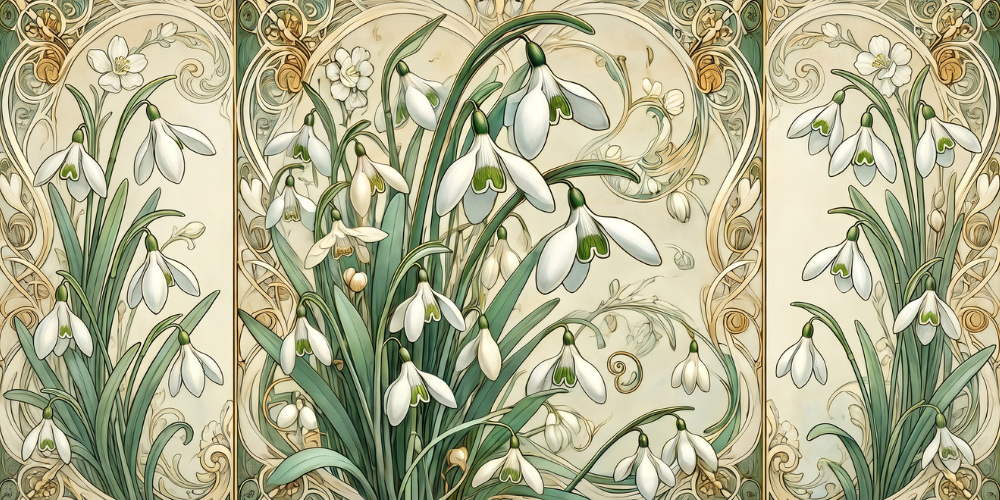
The snowdrop flower meaning is usually tied to hope, renewal, resilience, purity, and new beginnings. Because snowdrops bloom so early, often while winter still feels very much alive, they are widely seen as a sign that change is already underway, even before it fully shows itself.
Snowdrops do not look dramatic. That is part of why people love them.
They are small, white, quiet flowers. Easy to miss if you are rushing. But then you notice when they appear. Usually at a time of year when the world still looks bare. And that changes the way you see them. They do not feel flashy. They feel brave.
That is why the spiritual side of snowdrops has stayed so strong. They tend to bloom very early in the year, often before most other flowers, and sometimes through snow itself. In gardening and botanical sources, they are often described as one of the first signs of spring.
What Is the Meaning of the Snowdrop Flower?
At the simplest level, snowdrops mean hope.
But like most flower symbolism, that answer is only the surface of it.
Snowdrops are also tied to renewal, fresh starts, purity, comfort, and the kind of quiet strength that does not need to prove itself. They arrive when winter is not quite over, which is exactly why they have come to mean so much. They do not wait for perfect conditions. They appear anyway.
That is what makes them feel spiritual to so many people. Not because they are rare or extravagant, but because they carry a very particular message. Something can still grow here. Something can return. Something gentle can also be enduring.
The name helps too. Snowdrops belong to the genus Galanthus, a name derived from Greek words meaning “milk flower,” a reference to their soft white color. The common name “snowdrop” is generally linked to the flower’s shape and its habit of blooming in snowy conditions.
The Spiritual Meaning of Snowdrop Flowers
The snowdrop flower spiritual meaning often comes down to this: hope that feels real, not forced.
Snowdrops are not symbols of easy transformation. They are more like symbols of life returning slowly. They remind people that new beginnings do not always arrive with certainty or warmth. Sometimes they begin in cold seasons. Sometimes they begin when the old season is still hanging on.
That is why snowdrops are often read as flowers of inner renewal. They can represent:
hope after a difficult stretch
emotional recovery
resilience in uncertain times
purity and simplicity
faith in what is still unfolding
new beginnings that start quietly
Because they are white, snowdrops have also been linked with purity and innocence in many traditions. Christian associations tied them to purity and to the Virgin Mary, especially around Candlemas on 2 February, when snowdrops were brought into churches and scattered on altars.
But even outside formal religion, their symbolism has always felt bigger than purity alone. Snowdrops mean there is movement under the surface. They mean the season is changing before the landscape fully admits it.
What Do Snowdrops Represent?
If someone asks, what do snowdrops represent, the honest answer is that they represent more than one thing at once.
They are usually seen as symbols of:
hope
rebirth
resilience
purity
consolation
friendship in adversity
the return of spring
new beginnings
Some of these meanings come from the flower’s timing. Some come from religious and cultural traditions. Some come from how people have experienced the flower over generations. Cambridge University Botanic Garden notes that snowdrops have been associated with chastity, consolation, death, friendship in adversity, hope, and purity.
So the symbolism is not one-note.
Snowdrops can feel uplifting, but they can also feel tender. They show up in conversations about remembrance as much as renewal. That makes sense. Real new beginnings often come with some kind of ending behind them.
The History and Symbolism of Snowdrops
Snowdrops are native to Europe and southwestern Asia, and the most commonly known species, Galanthus nivalis, has long been cultivated and naturalized beyond its original range. Botanical references describe it as a bulbous perennial and a classic late-winter or early-spring bloomer.
Over time, people started reading meaning into both its form and its timing.
Its whiteness suggested purity. Its early arrival suggested hope. Its ability to bloom through cold ground made it a natural symbol of endurance and return. By the Victorian period, snowdrops were widely read through the language of flowers, where they were often associated with purity and hope.
There is also a long cultural fascination with snowdrops themselves. In the UK especially, snowdrops inspired dedicated collectors, gardeners, and entire seasonal displays. Modern garden writing still treats them as beloved markers of the turn from winter to spring.
What is interesting is that their symbolism never really needed to be invented from scratch. The flower already carries the image. Small. White. Early. Persistent. The meaning almost builds itself.
Snowdrop Symbolism Across Different Cultures
Snowdrop symbolism shifts a little depending on where you look, but a few themes stay consistent.
In Christian tradition, snowdrops became linked with purity and the Virgin Mary, especially through Candlemas observances. This is one reason snowdrops are often found in or near old churchyards.
In broader European folklore, snowdrops have often been treated as signs of spring’s return and the end of winter. That makes them natural symbols of rebirth and renewed life.
At the same time, snowdrops have also carried associations with death and consolation in some traditions. That may sound contradictory until you think about the flower itself. It stands at the threshold between endings and beginnings. So it makes sense that people have seen it as both a memorial flower and a flower of hope.
That dual meaning is part of what makes snowdrops feel spiritually rich. They do not deny loss. They grow beside it.
When Snowdrop Flowers Appear in Your Life
When snowdrops keep appearing in your life, many people take it as a gentle symbol rather than a loud sign.
Spiritually, snowdrops can be read as a reminder that renewal does not always look dramatic at first. It may begin quietly. A little more hope. A little more clarity. A little more willingness to start again. Their long-standing symbolism of hope and spring’s return is what gives them that feeling for so many people.
If snowdrops are showing up for you, you might be in a season where:
healing is happening slowly
you are leaving behind something heavy
a new chapter is beginning before you fully trust it
your life is asking for softness, patience, and faith
you need to remember that small shifts still matter
Not every recurring symbol has to become a prediction. Sometimes it is enough to let it be a mirror. Snowdrops often mirror that in-between state where life is not easy yet, but it is no longer completely frozen either.
How to Connect with the Spiritual Energy of Snowdrops
Snowdrops are not flowers that ask for a big performance. Their energy feels quieter than that.
If you want to connect with the snowdrop spiritual meaning, start with stillness. Start with observation. Start with your own season.
You might try:
walking in nature at the edge of winter
journaling about what is slowly returning in your life
noticing where hope feels small but real
keeping a vase or image of white flowers in your space
meditating on patience, renewal, and trust
reflecting on where you are being asked to begin again gently
Snowdrops also invite a different relationship with timing. They do not bloom when everything is easy. They bloom when they are ready. There is something healing in that.
Sometimes spiritual growth looks like that too. Not a breakthrough. Not a dramatic awakening. Just the first honest sign that something in you is alive again.
Final Thoughts
The meaning of snowdrop flower goes beyond purity or springtime beauty. Snowdrops have stayed meaningful because they speak to something many people know intimately: the strange, tender moment when life starts moving again after a hard season.
That is why they remain such strong symbols of hope, renewal, and new beginnings. Not because they erase winter, but because they appear while winter is still there.
And maybe that is the deeper comfort in them.
You do not have to wait until everything feels perfect to begin again.
FAQs
What is the spiritual meaning of snowdrop flowers?
The spiritual meaning of snowdrop flowers is usually connected with hope, renewal, purity, and quiet resilience. Because they bloom so early, often before winter has fully passed, they are widely seen as symbols of new beginnings and life returning after difficulty.
What do snowdrops represent?
Snowdrops represent hope, rebirth, purity, consolation, and the return of spring. In some traditions, they also symbolize friendship in adversity and remembrance, which gives them a more layered meaning than many other spring flowers.
Why are snowdrop flowers a symbol of hope?
Snowdrops are seen as symbols of hope because they bloom very early, sometimes through snow, when the landscape still looks bare. Their timing makes them a natural sign that life is returning and that change has already begun beneath the surface.
What does it mean if you keep seeing snowdrops?
Many people interpret repeated snowdrop sightings as a gentle sign of renewal, healing, or a new chapter beginning quietly. Their traditional symbolism around hope and endurance is why they are often read this way in spiritual reflection.
Are snowdrops considered lucky?
Snowdrops are often considered positive flowers because they symbolize hope, resilience, and fresh starts. Whether they are seen as lucky depends on the tradition, but they are more commonly associated with encouragement, purity, and the promise of spring than with misfortune.